1st Winner
FAYCAL AKHRIB
SAOUSSAN DJOUDI HOUDA
MERIEM MEHIRIS
DEPARTMENT OF ARCHITECTURE - ALGIERS UNIVERSITY 1, SIDI MHAMED, ALGERIA
day
hour
min
sec
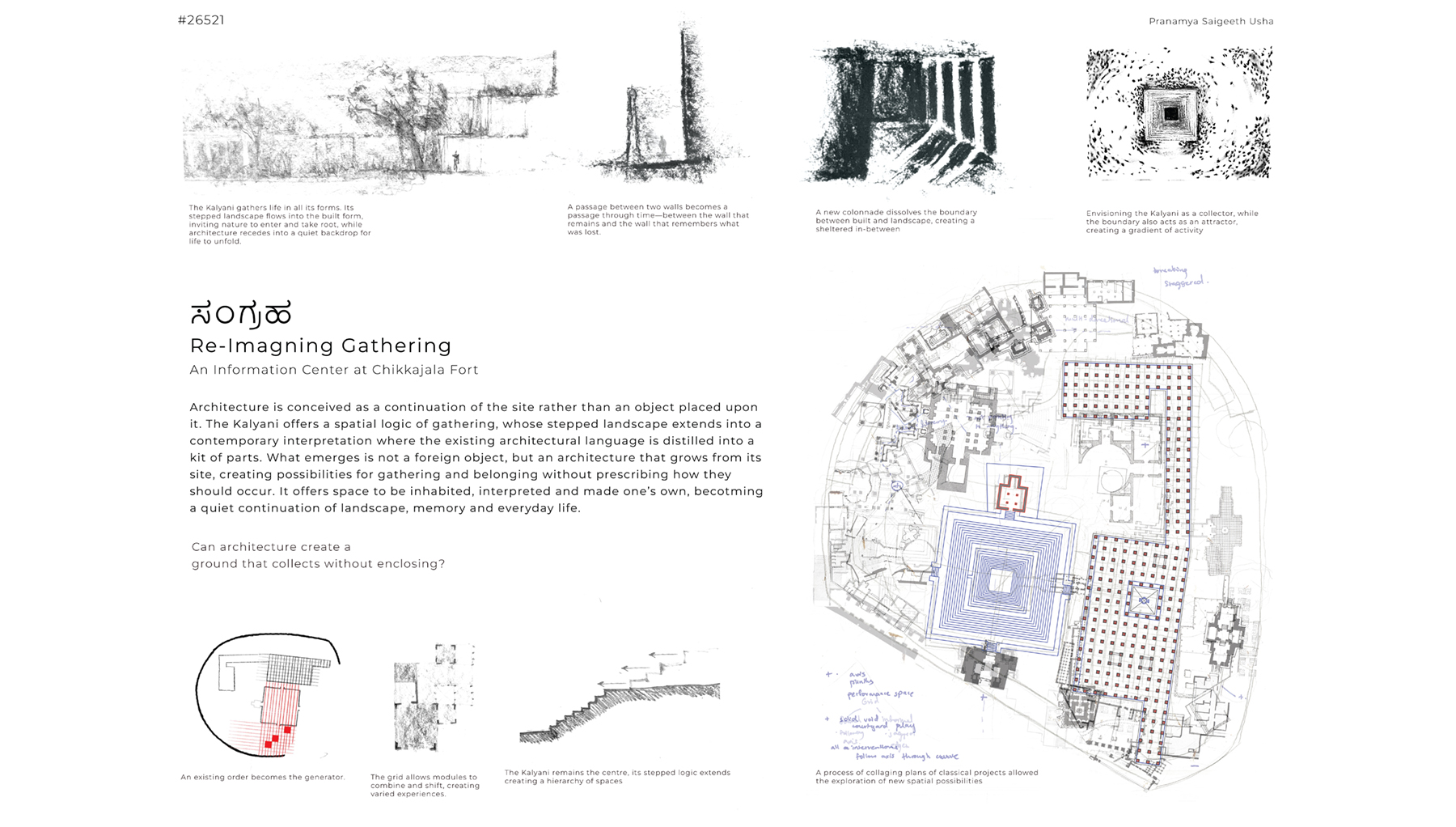
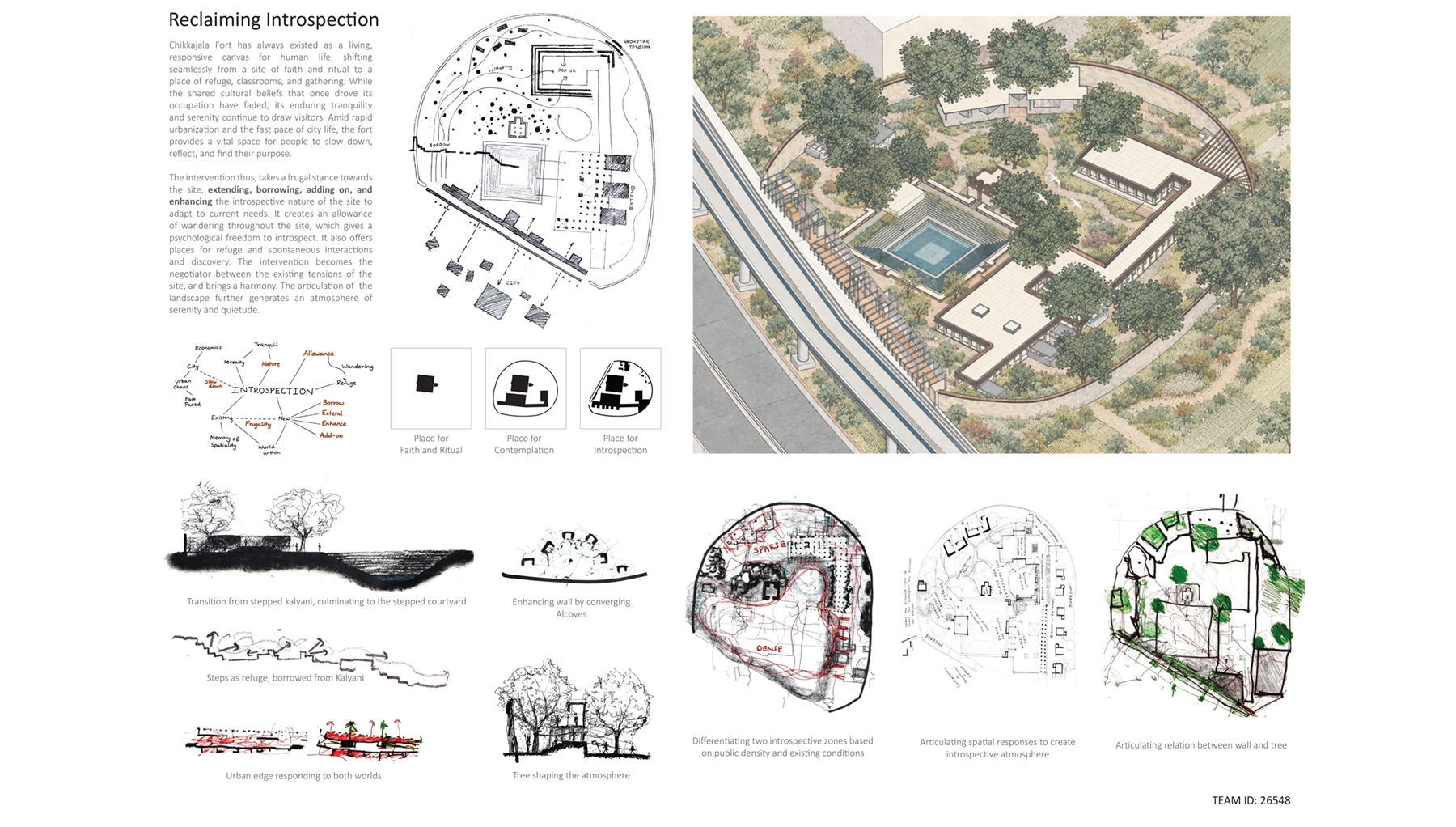
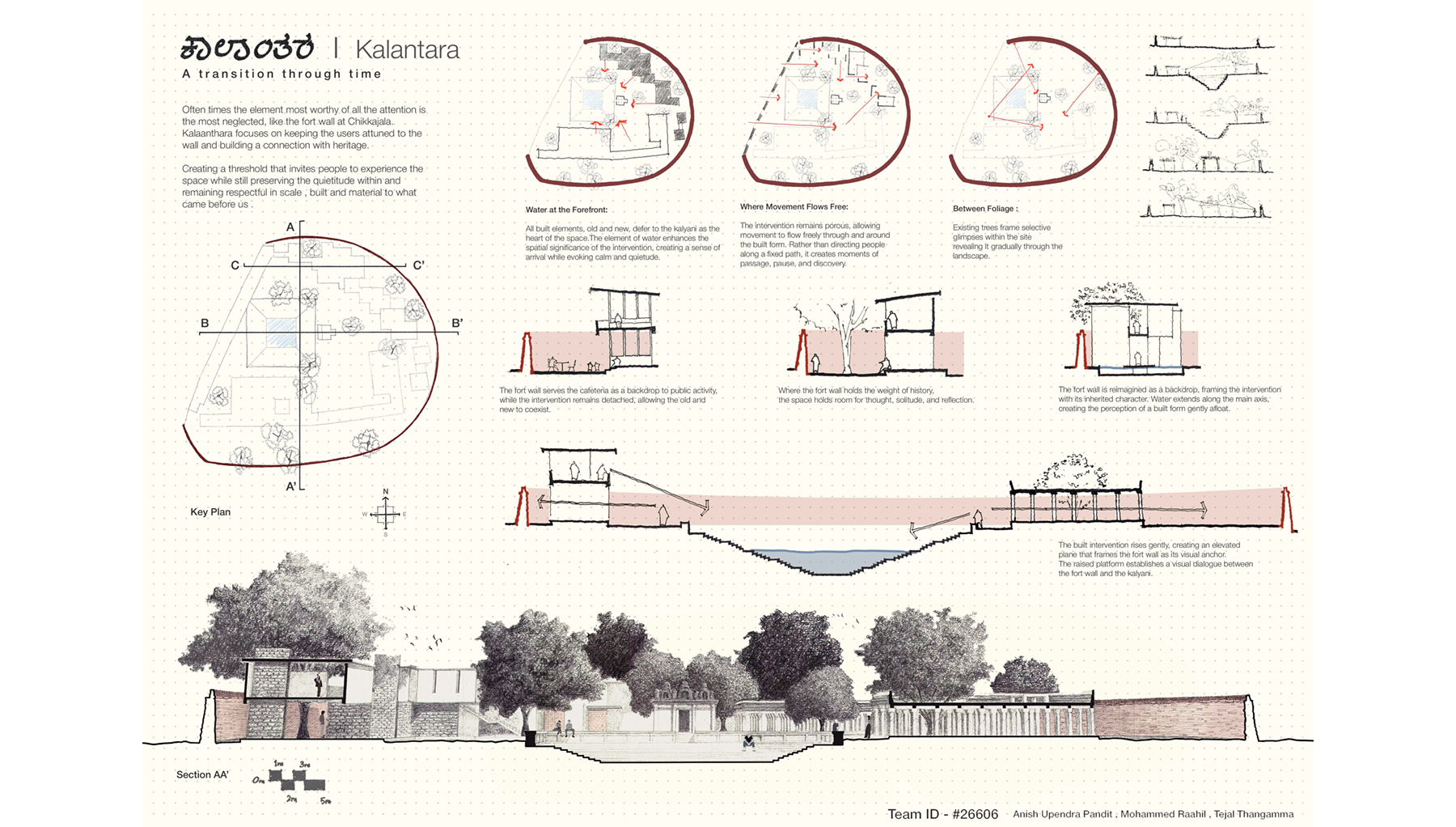
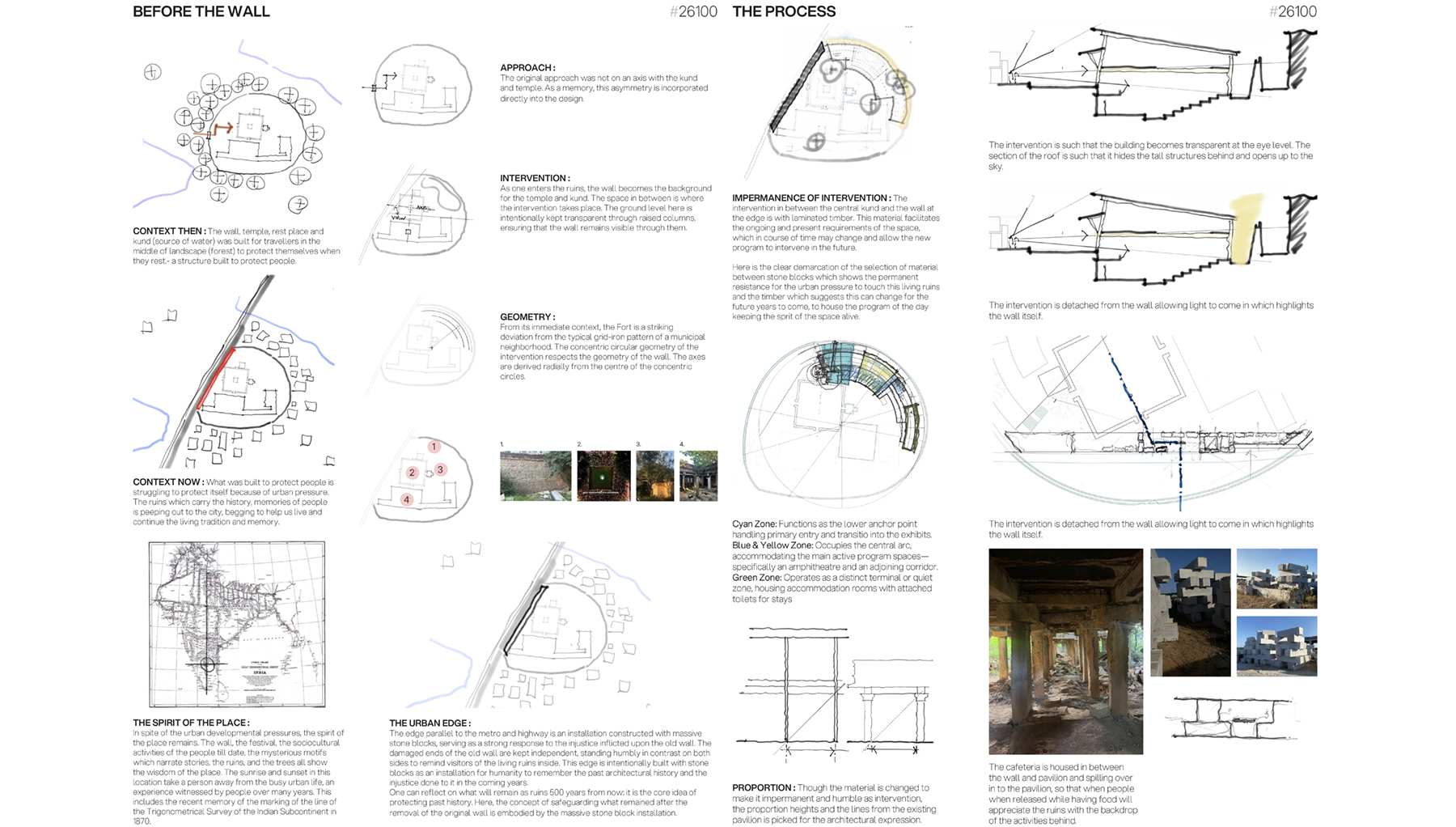
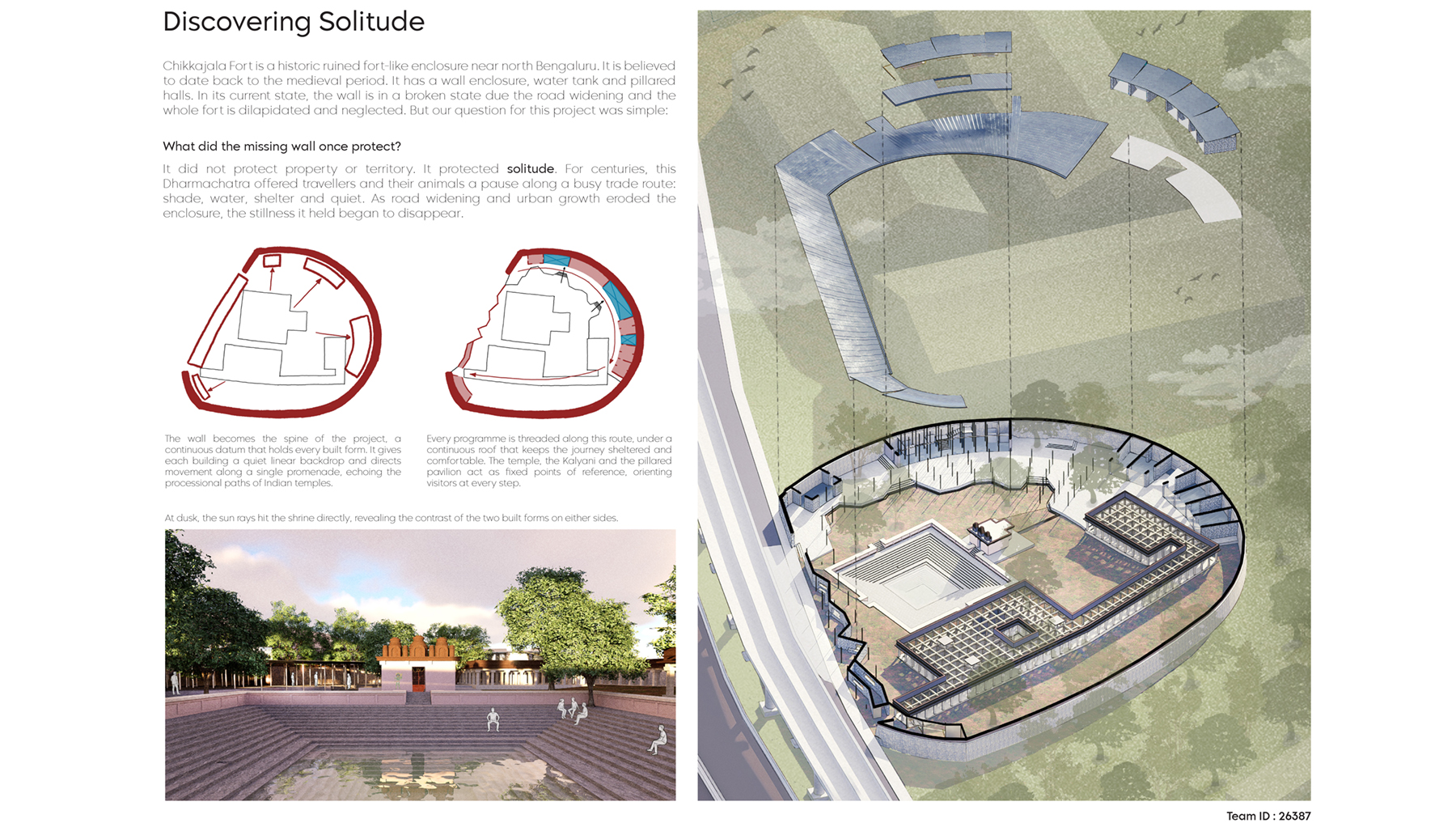
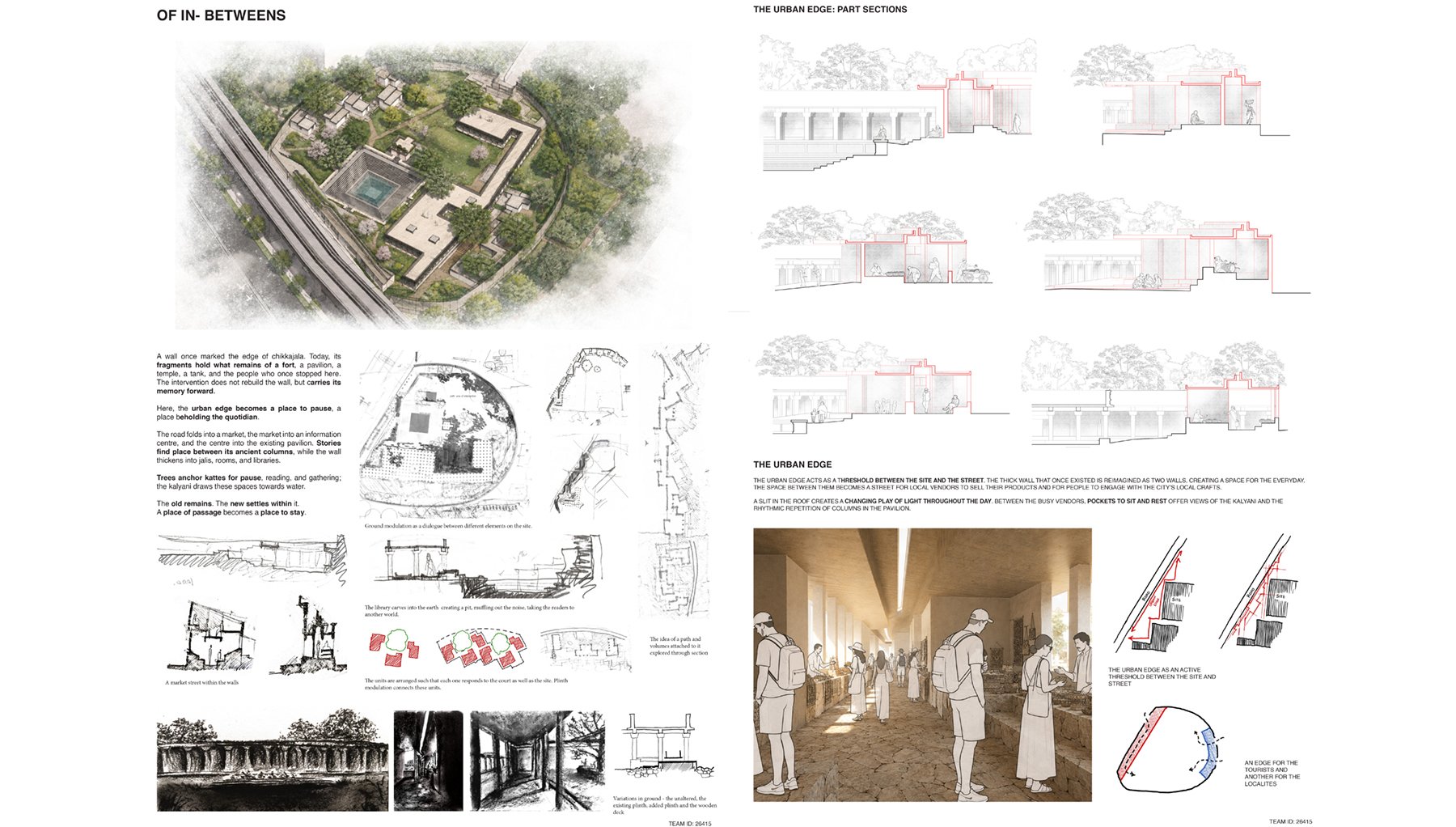
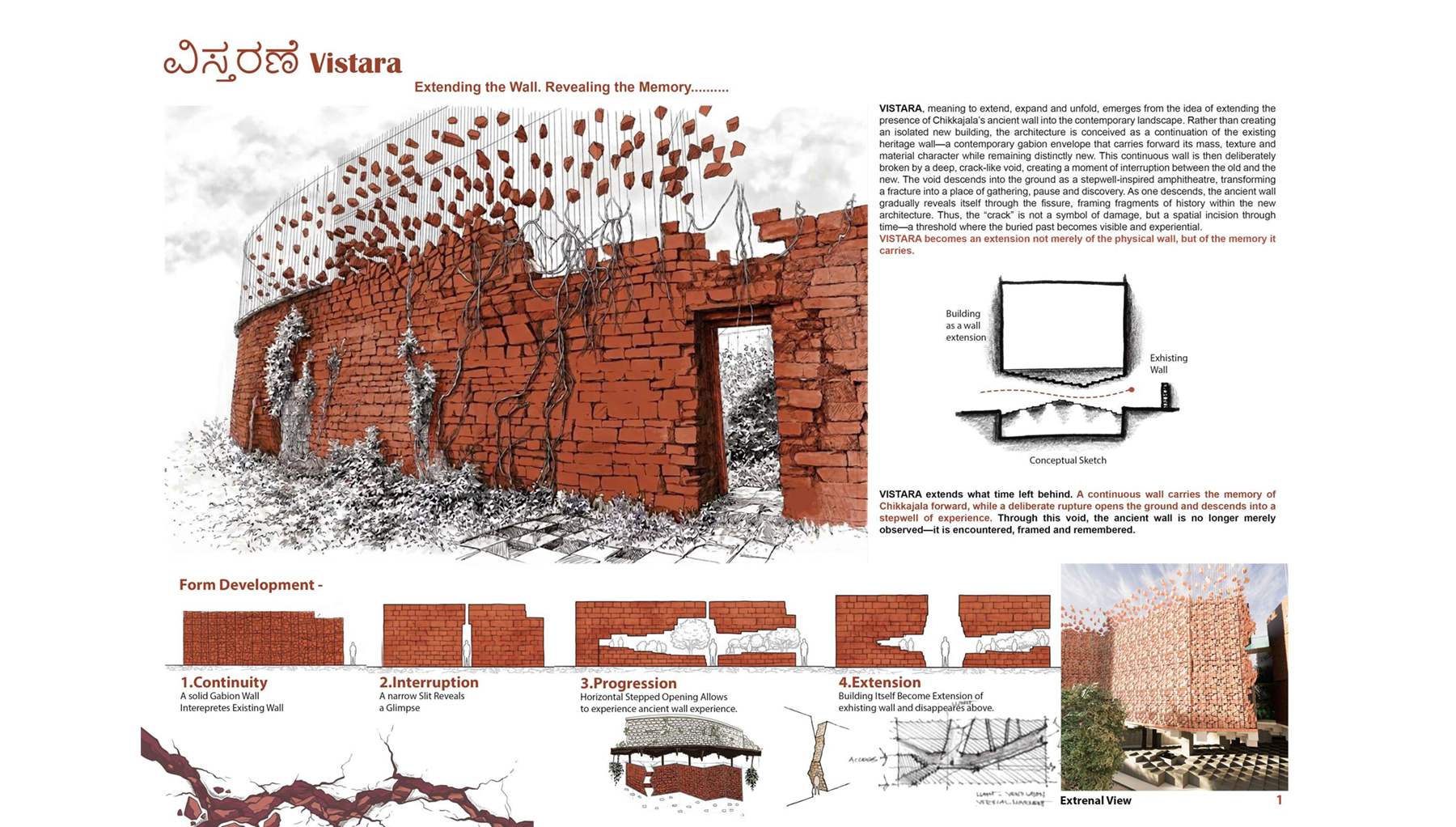
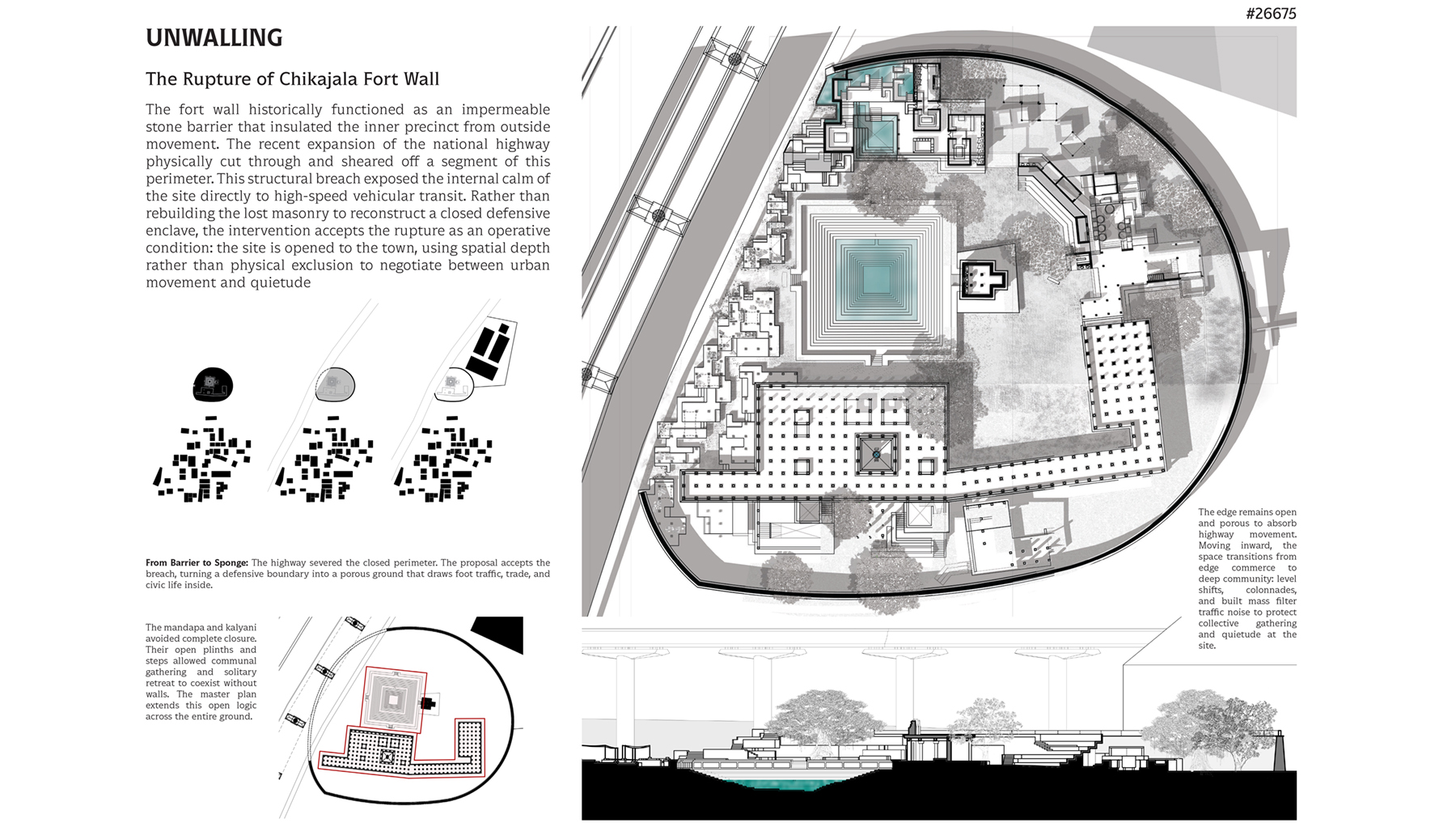
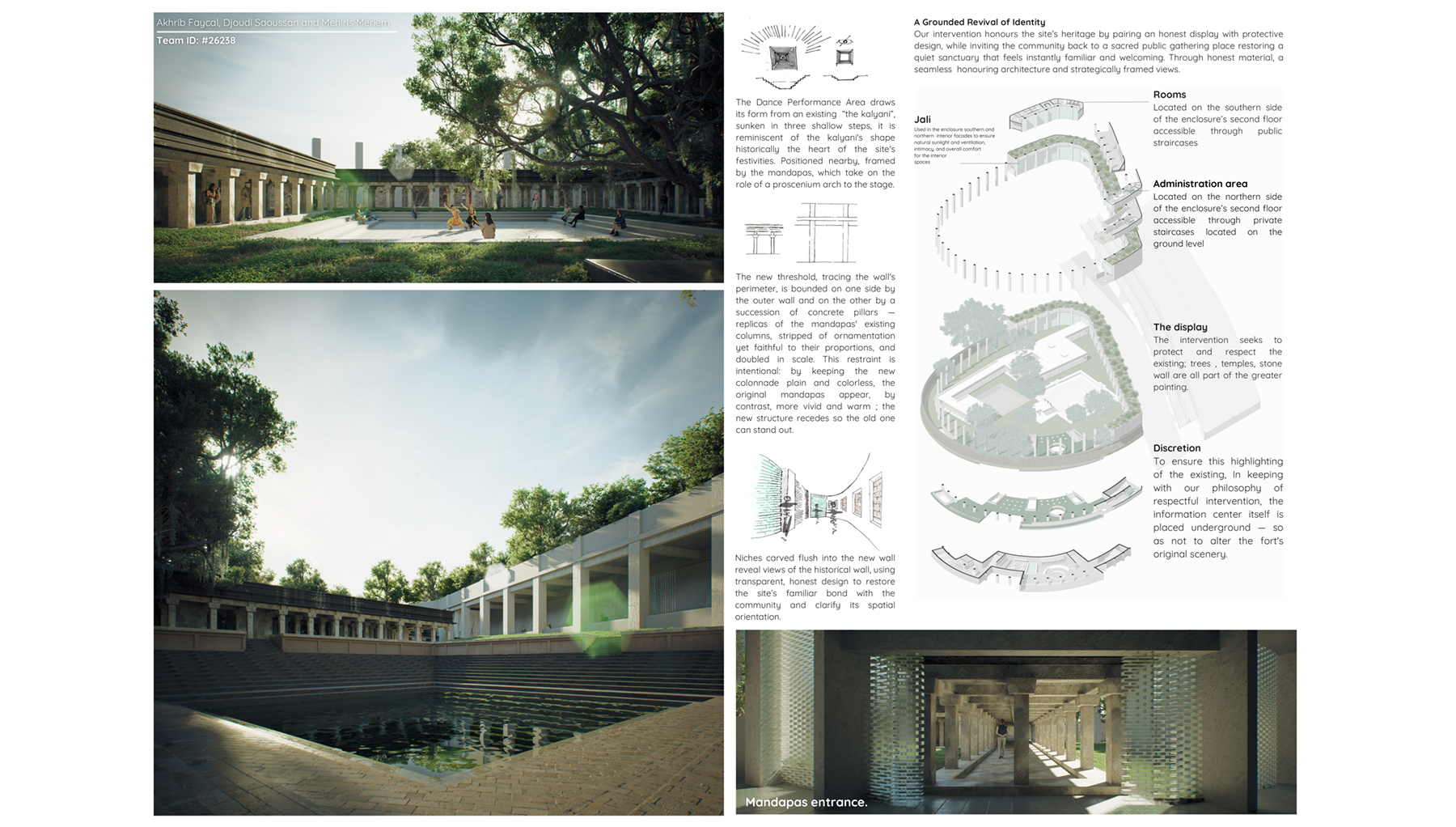
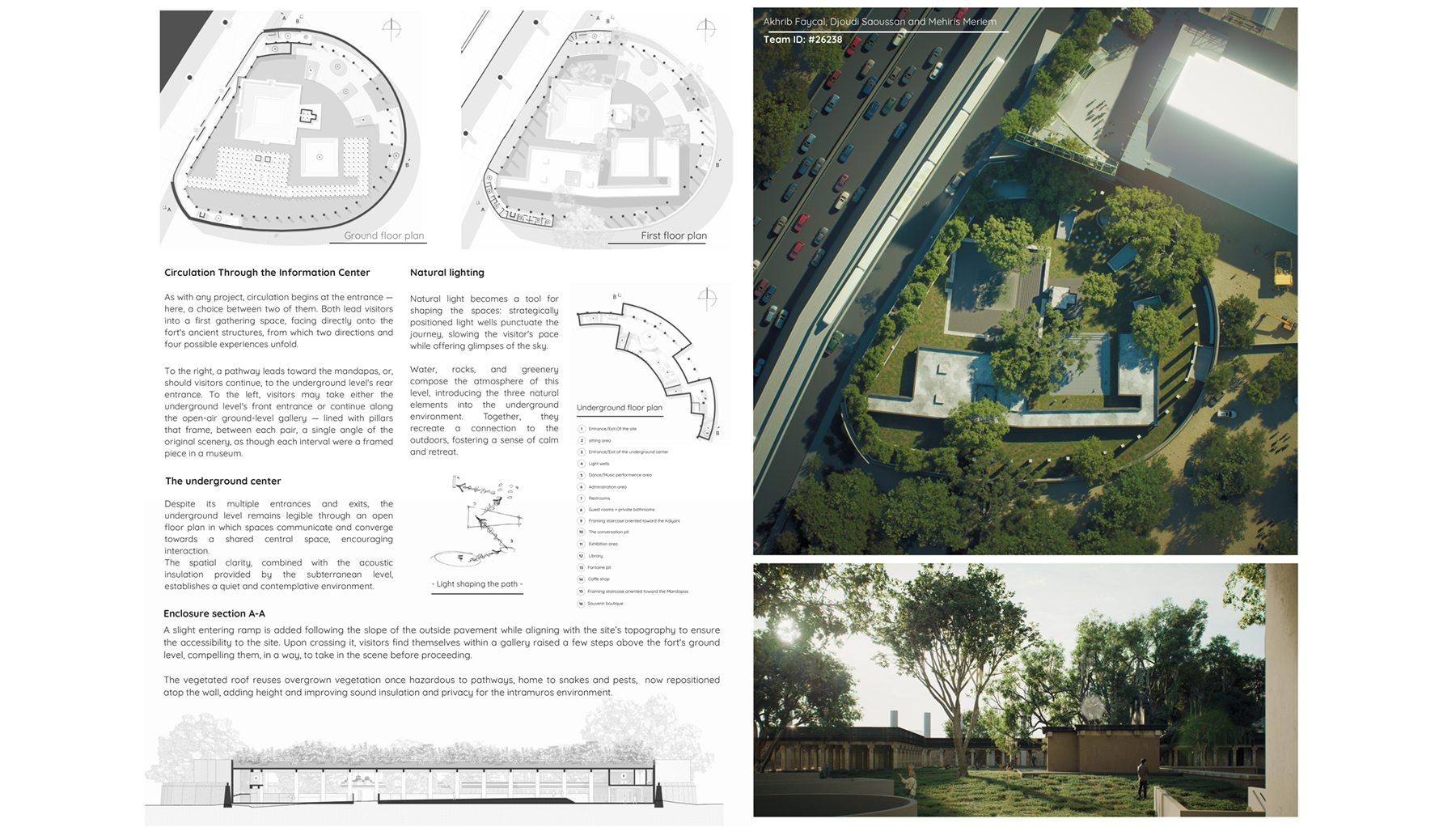
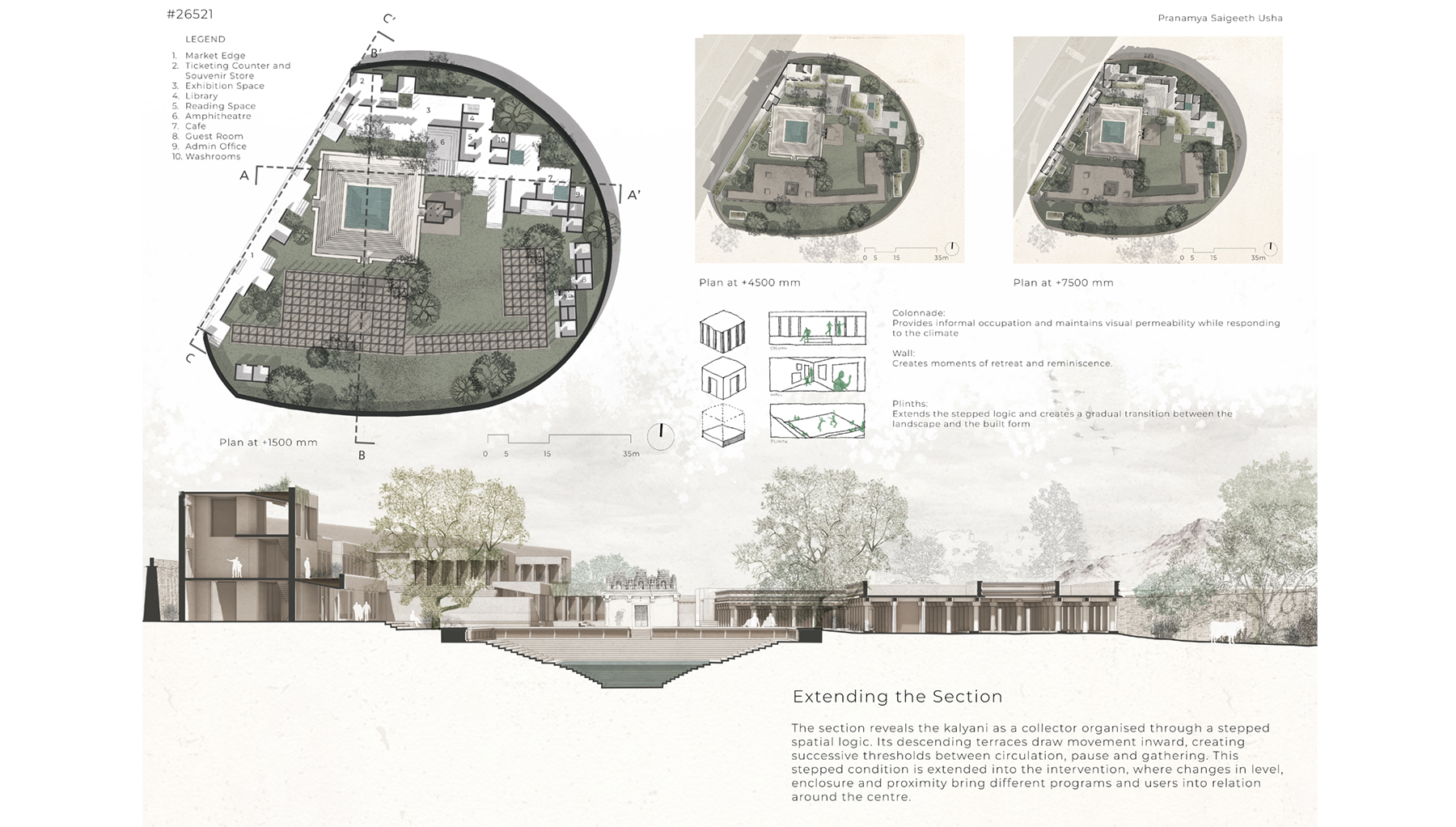
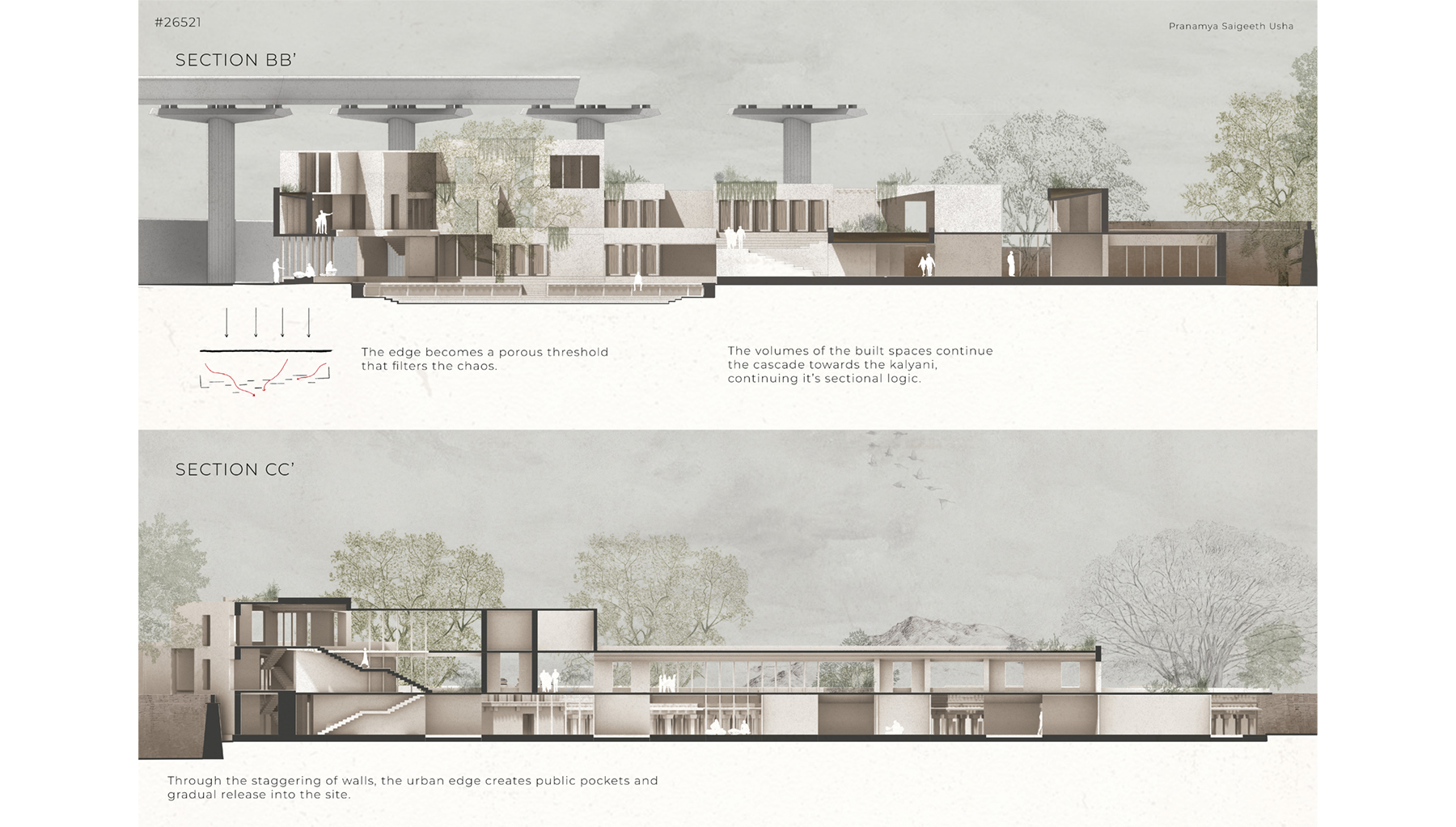
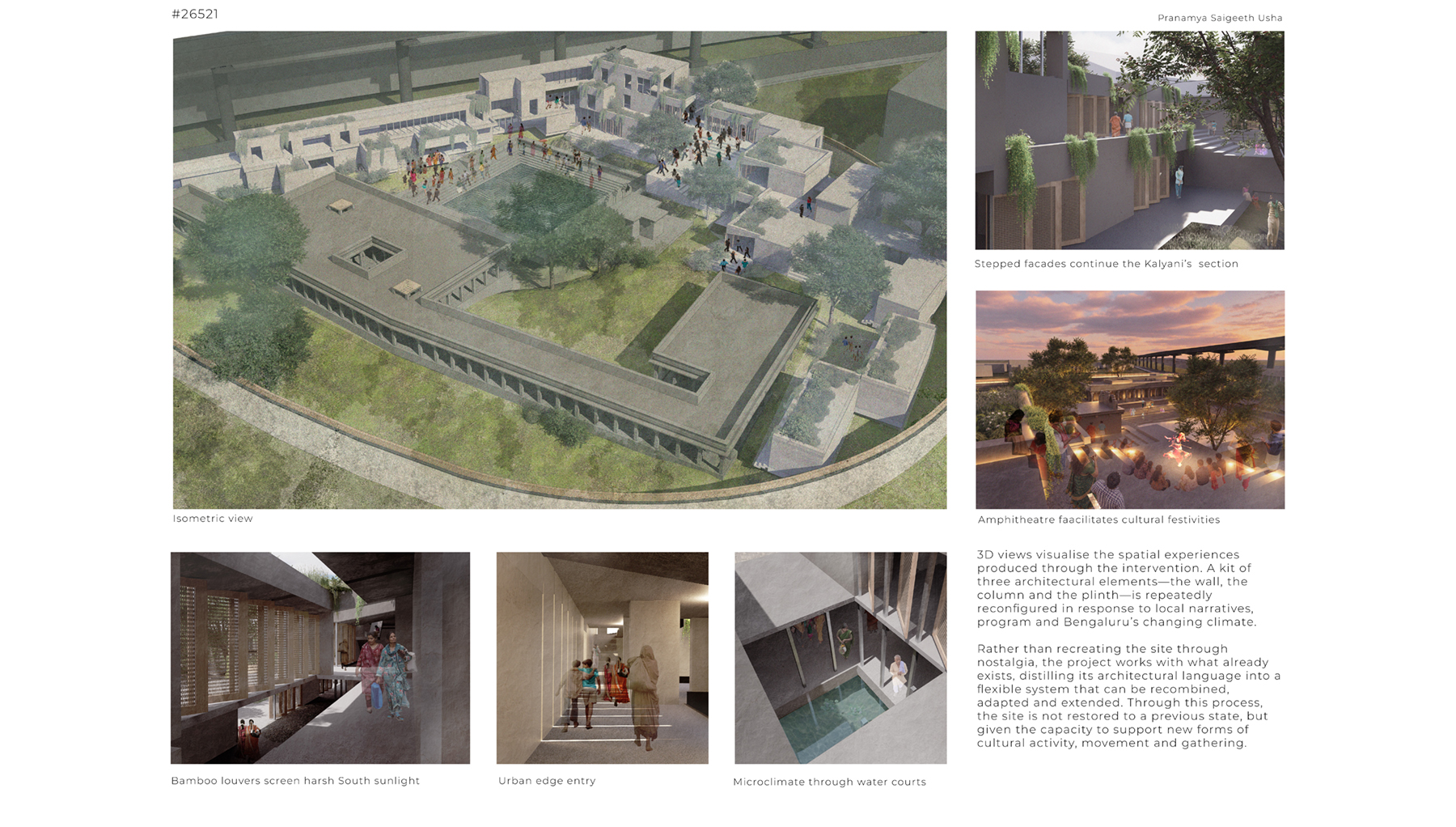
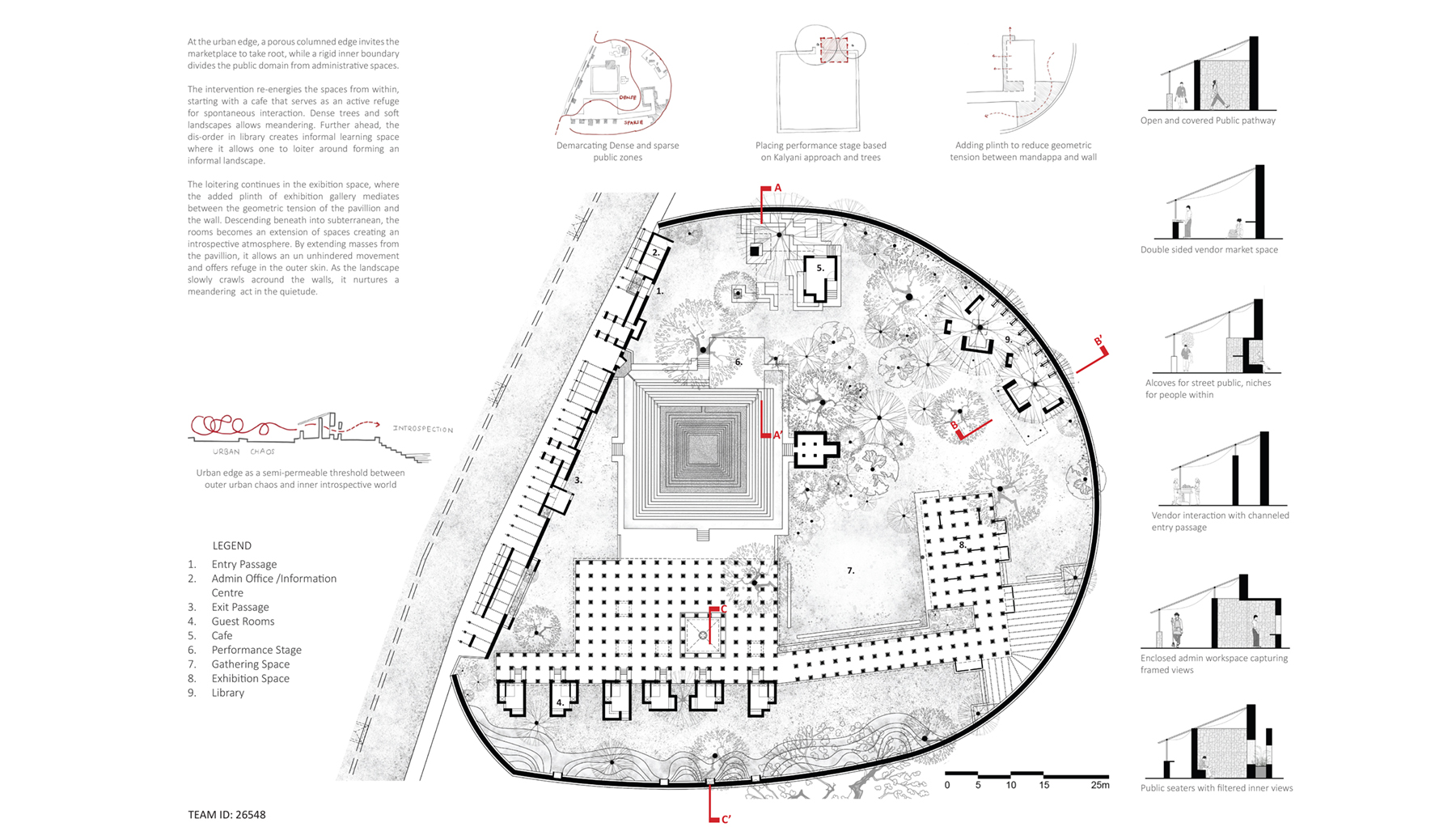
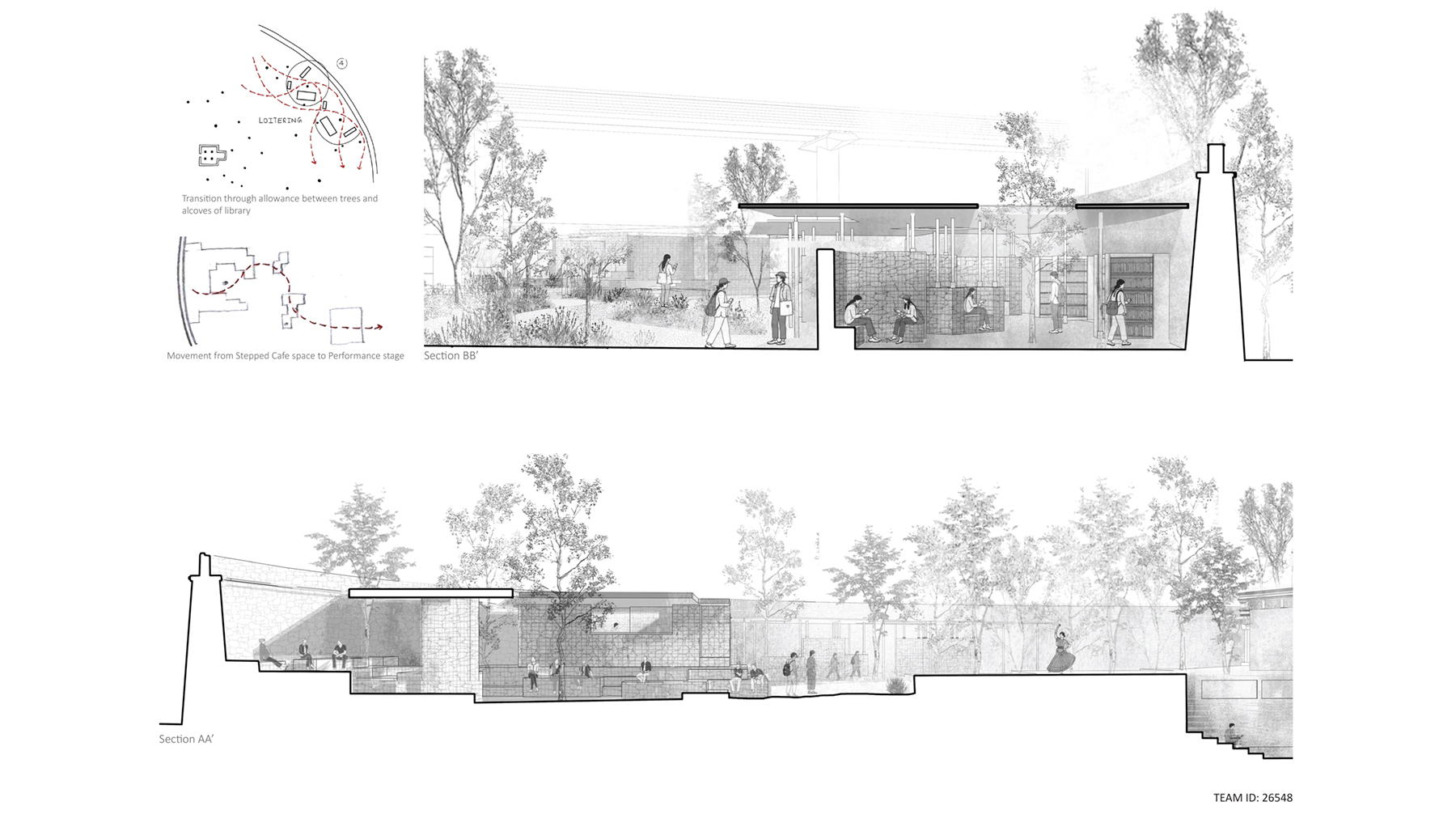
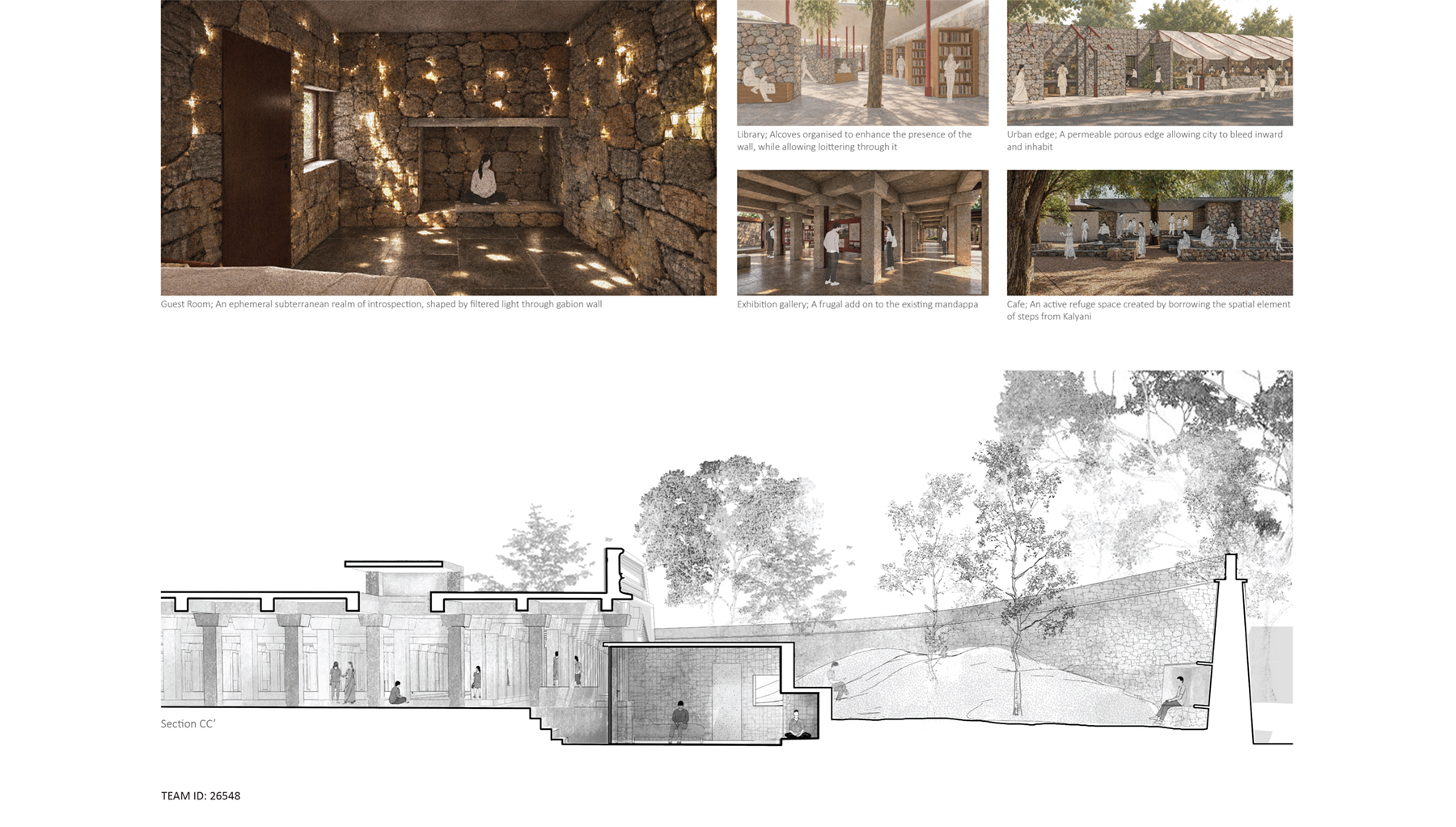
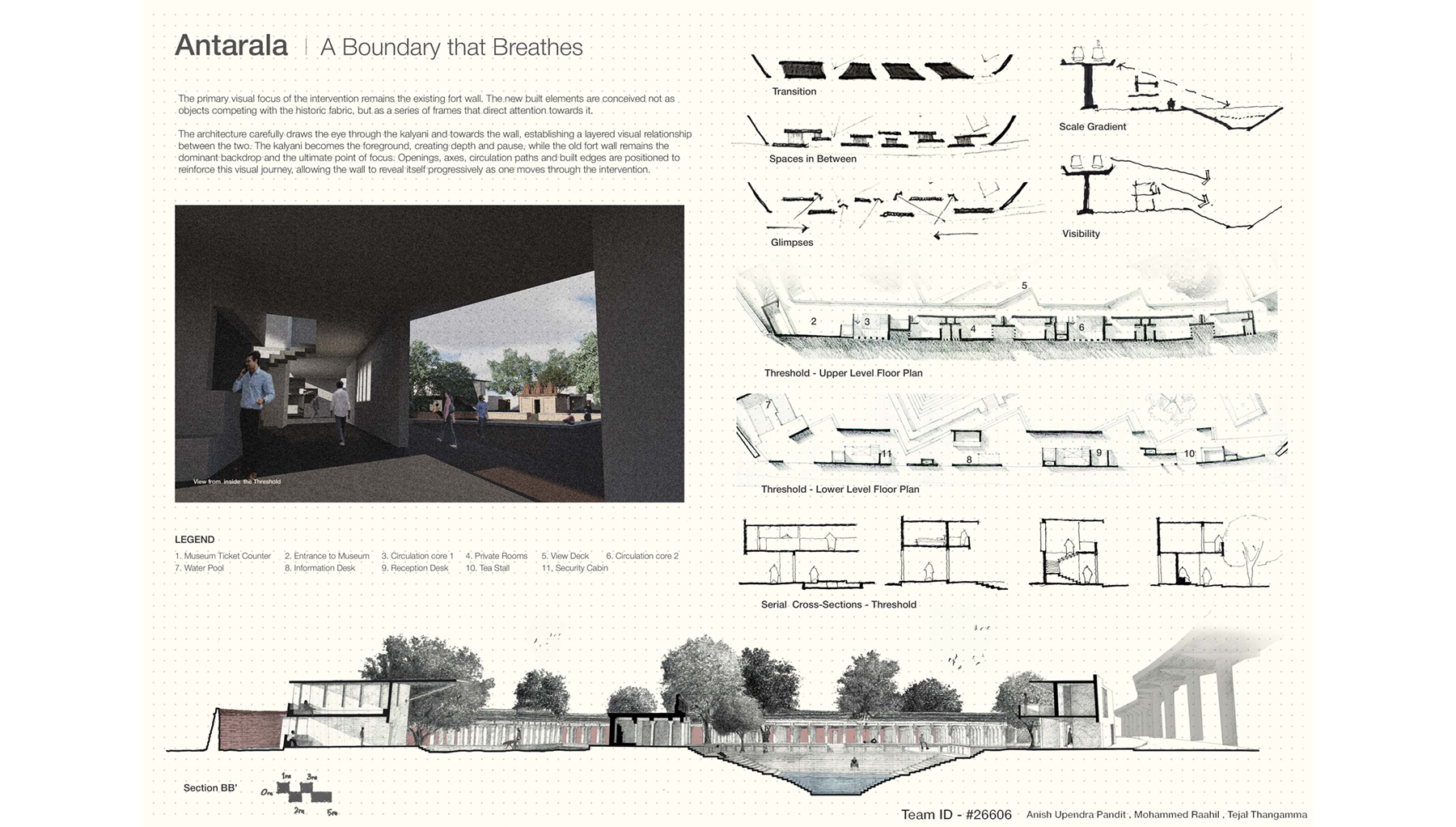
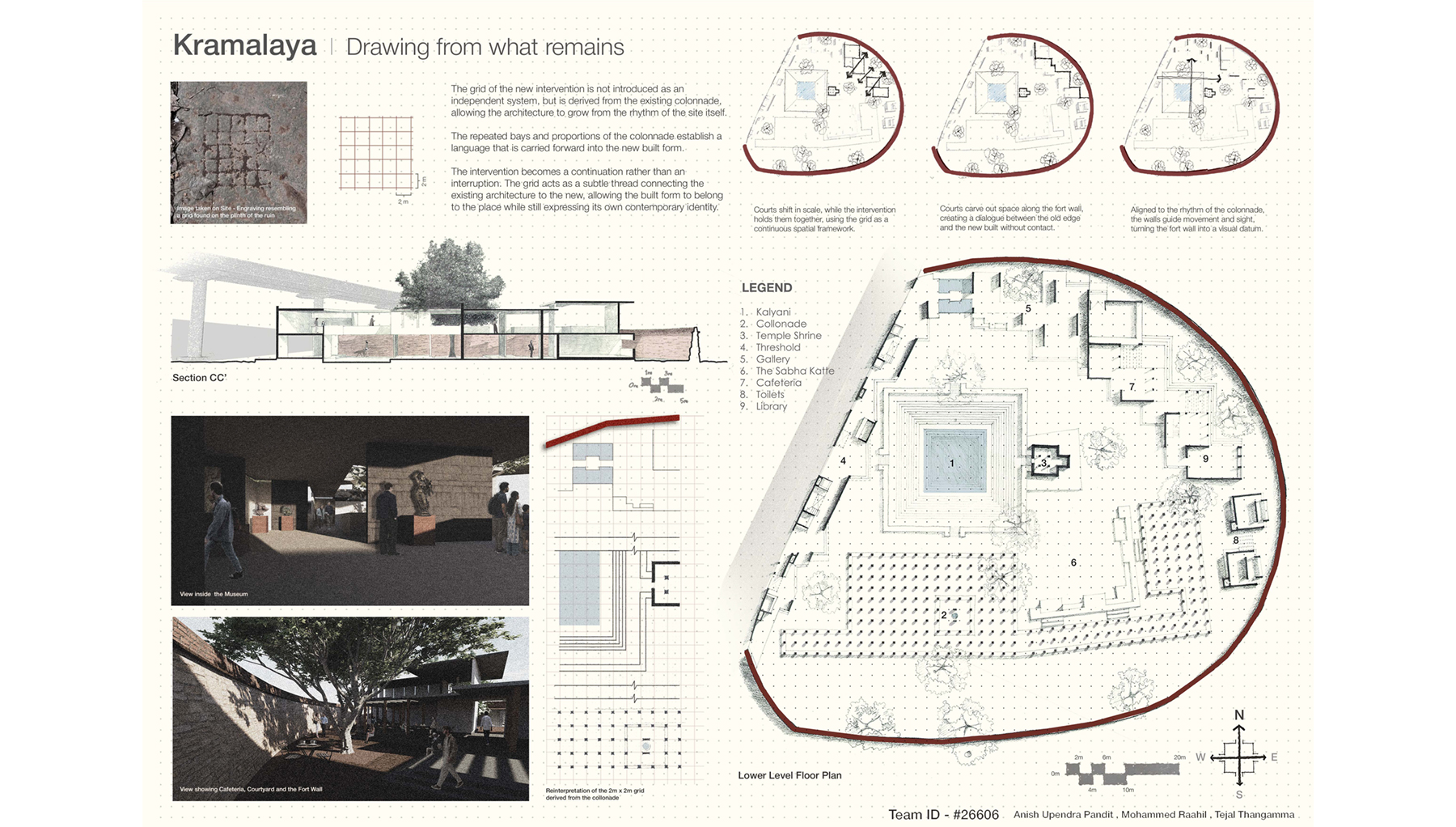
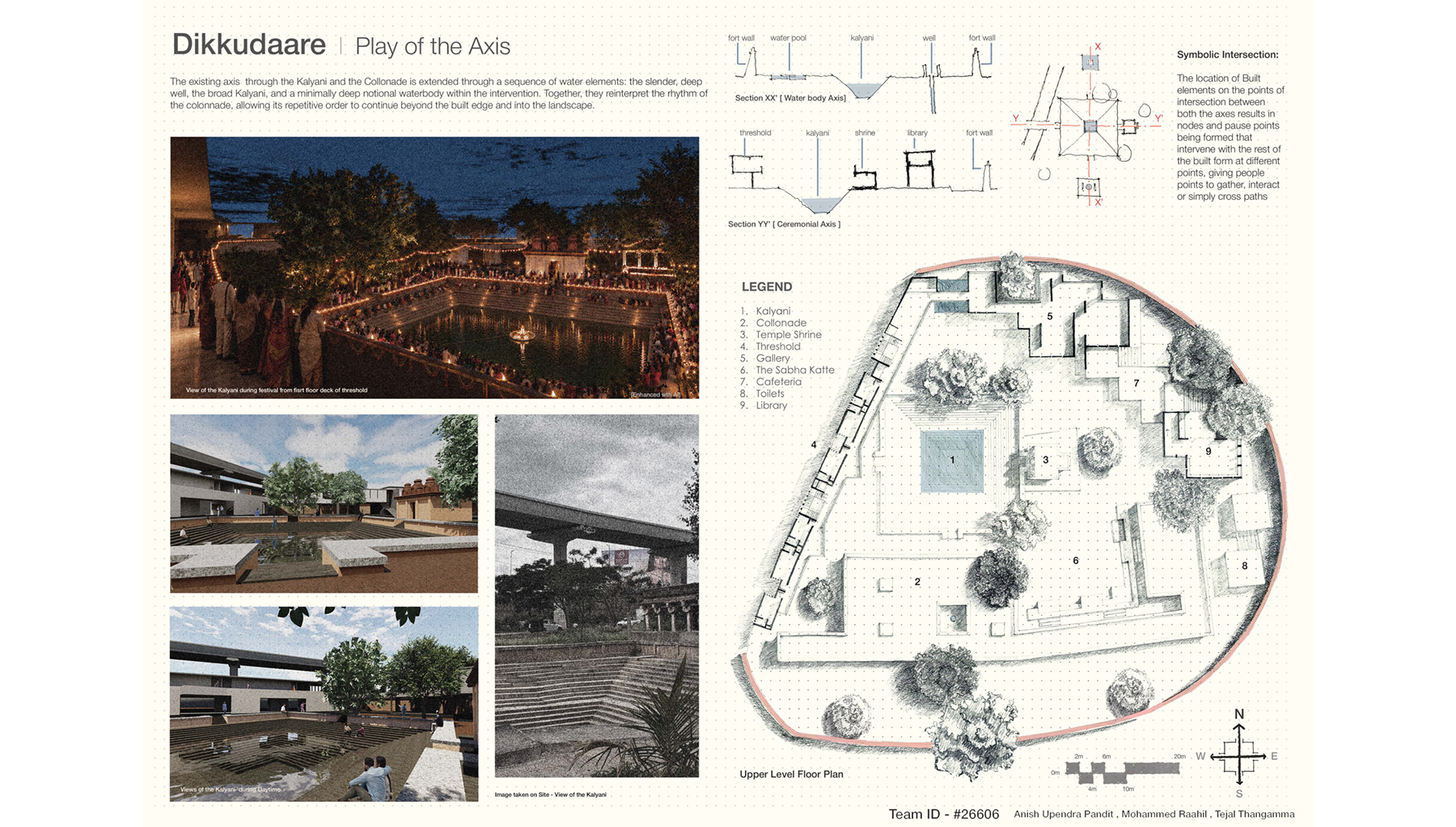
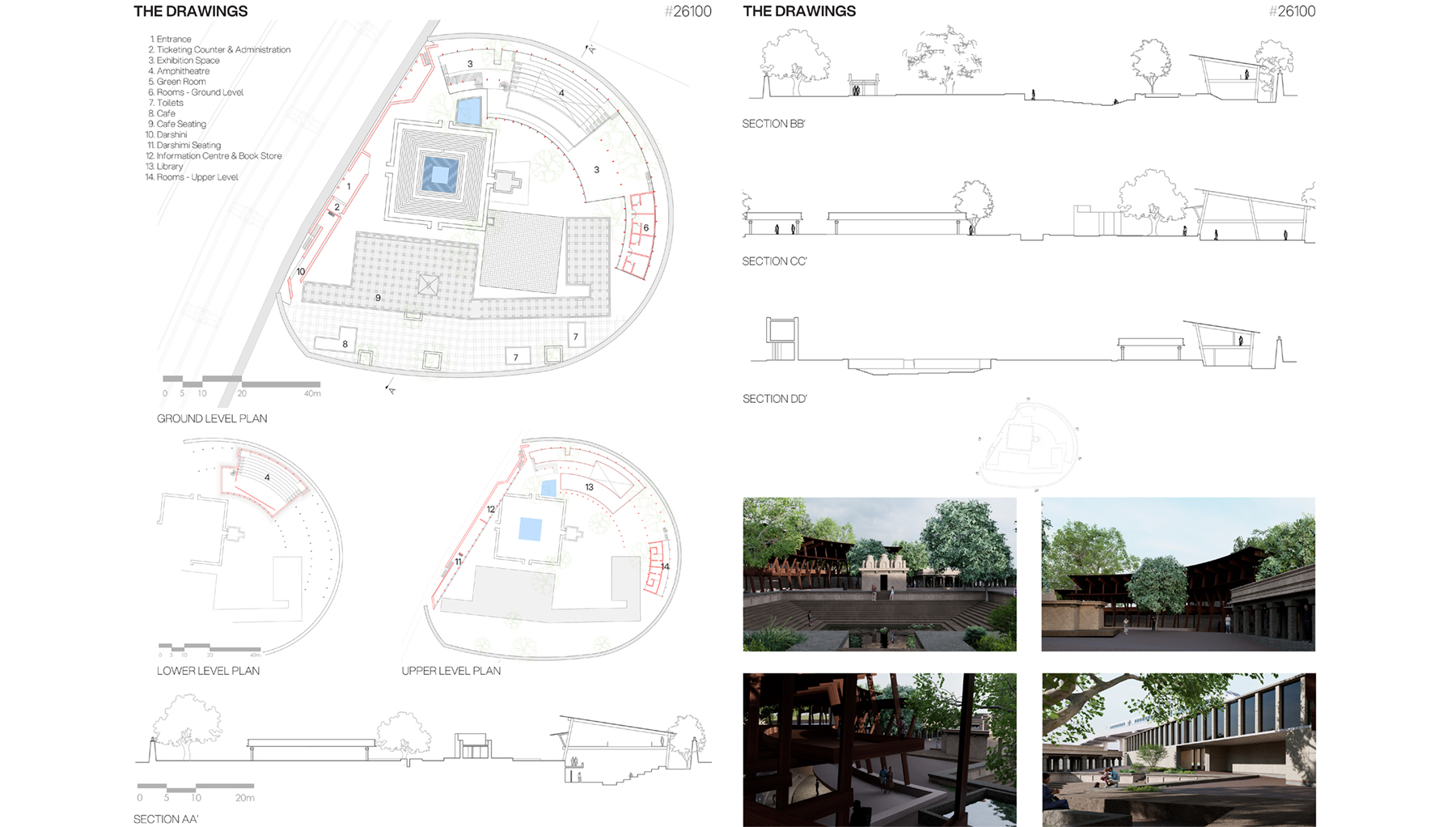
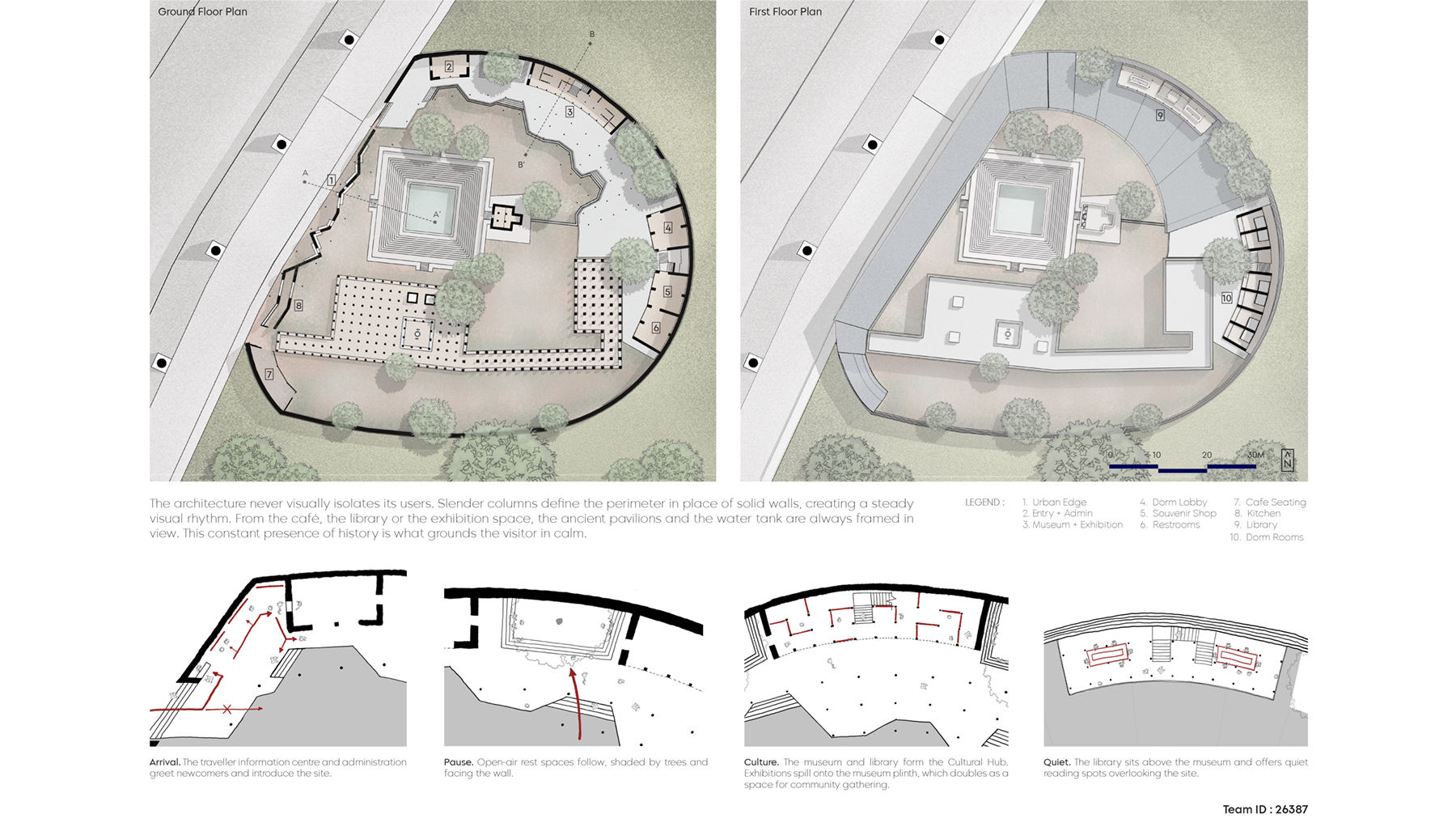
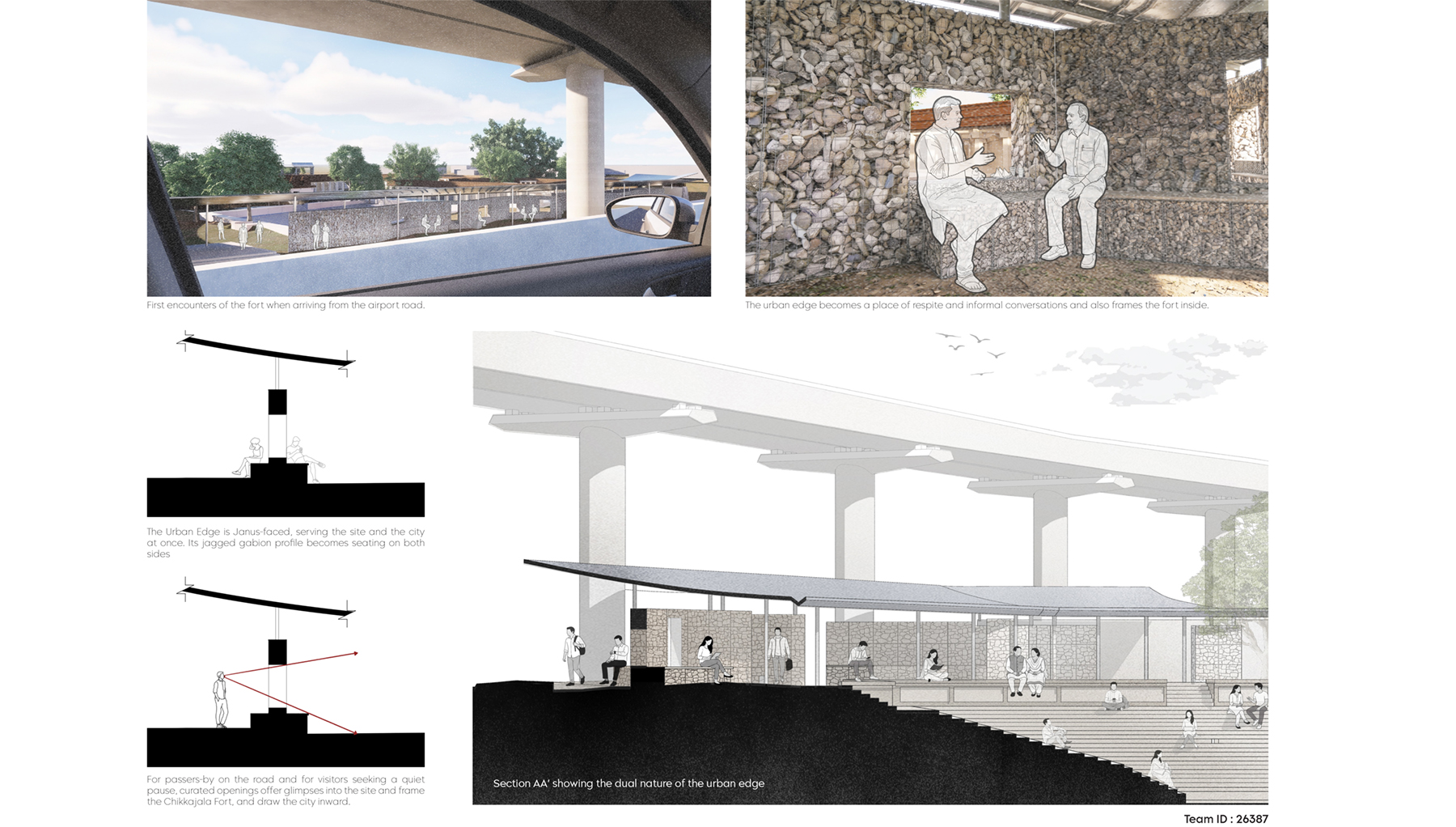
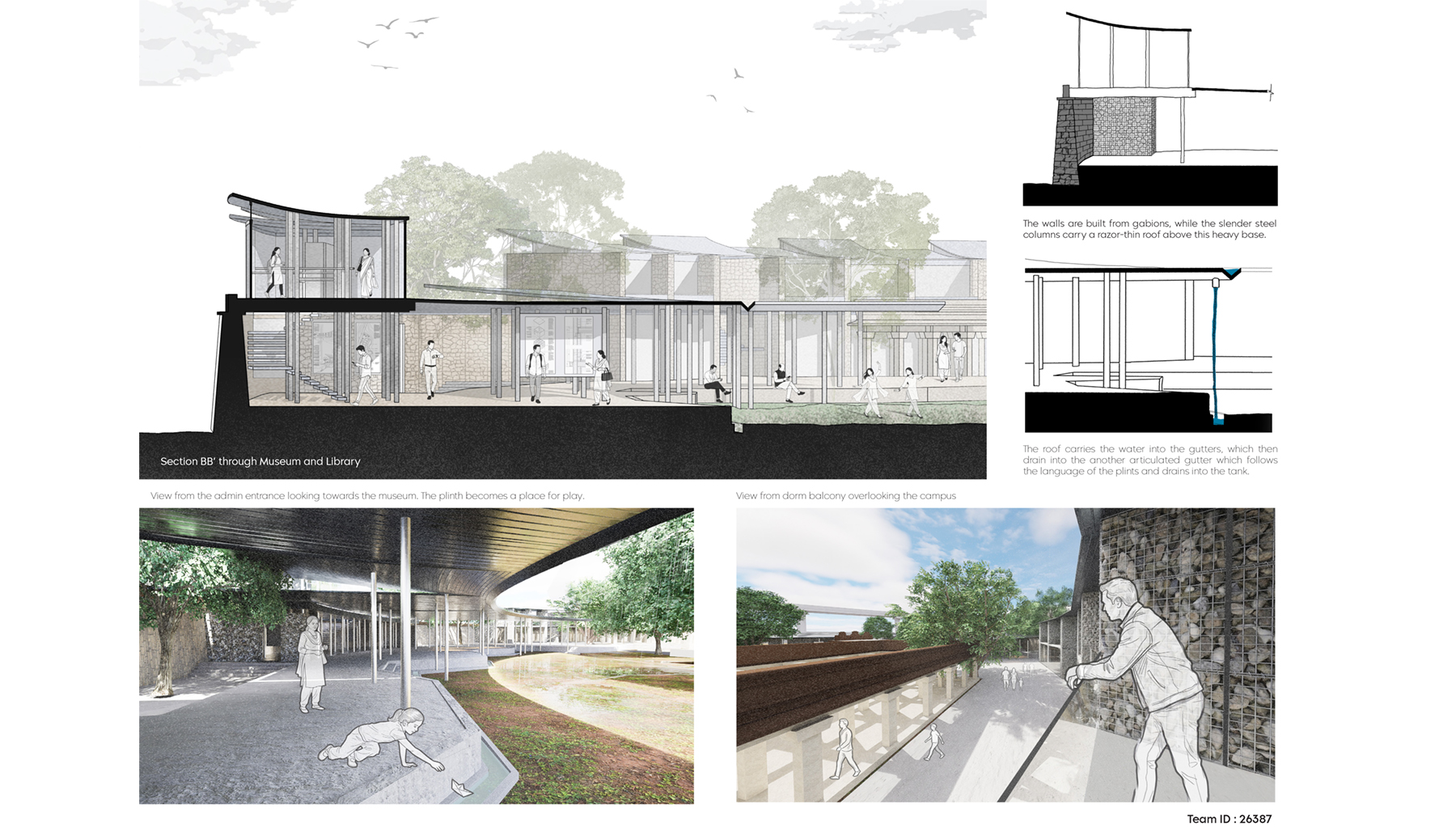
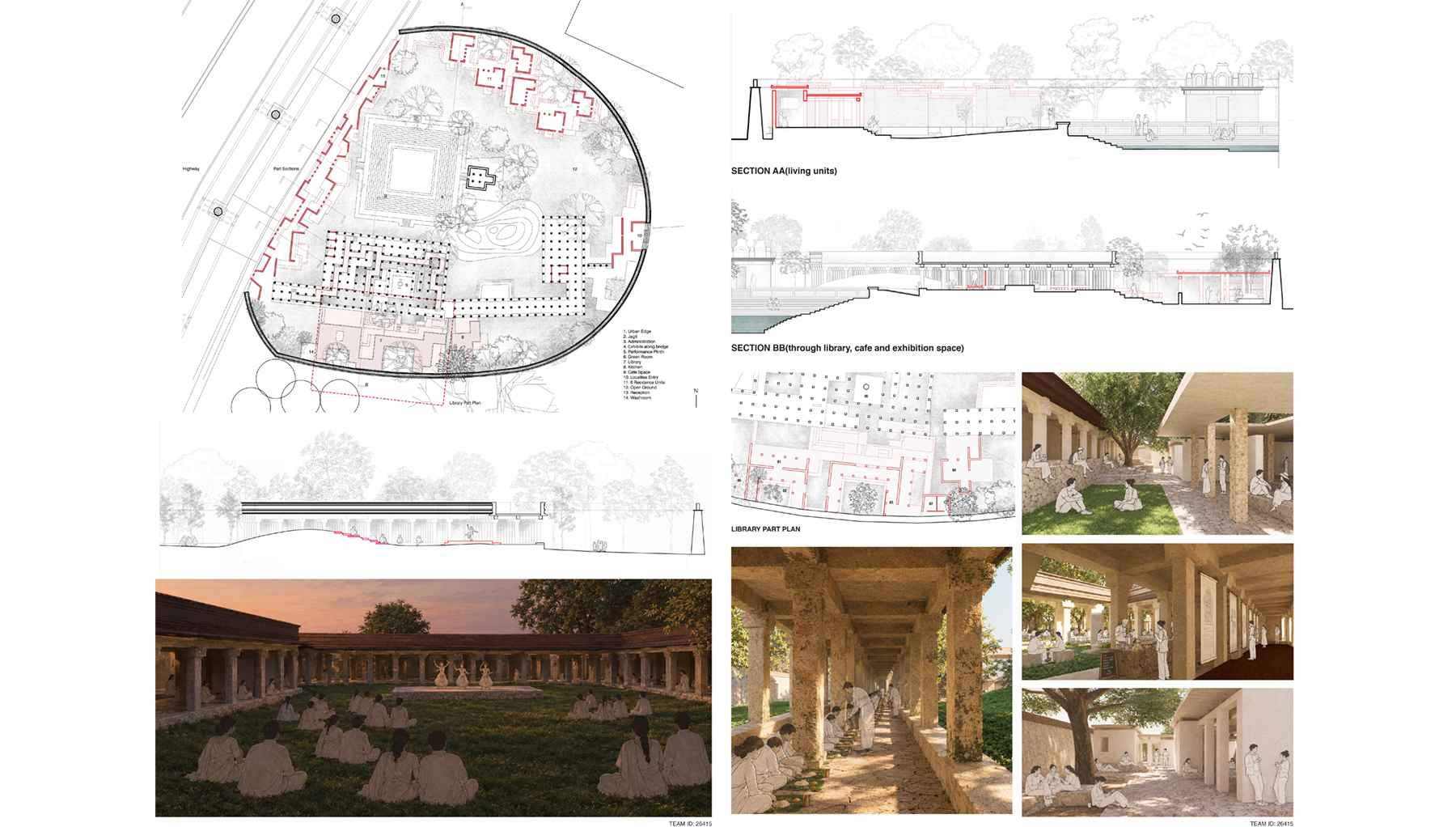
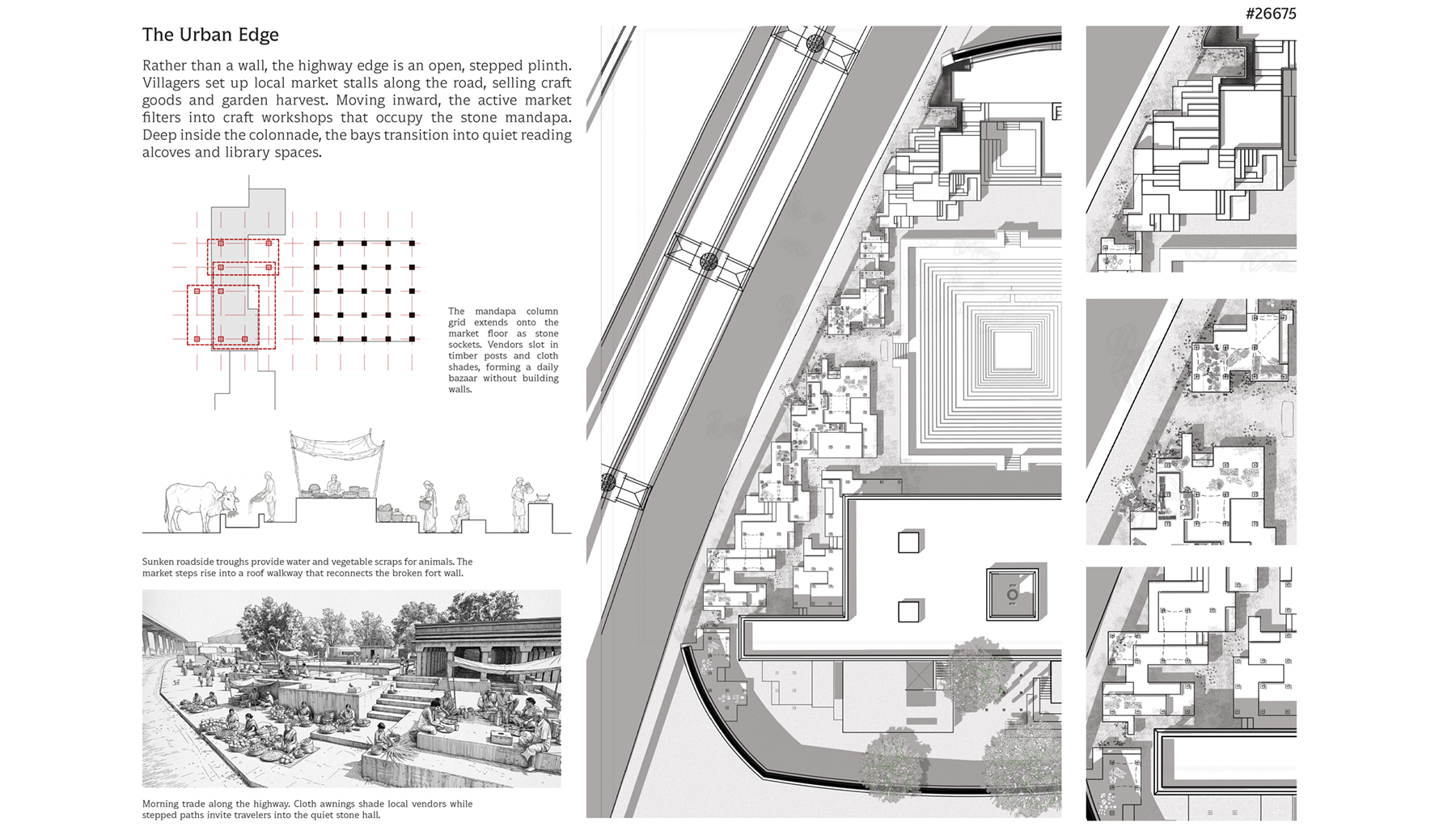
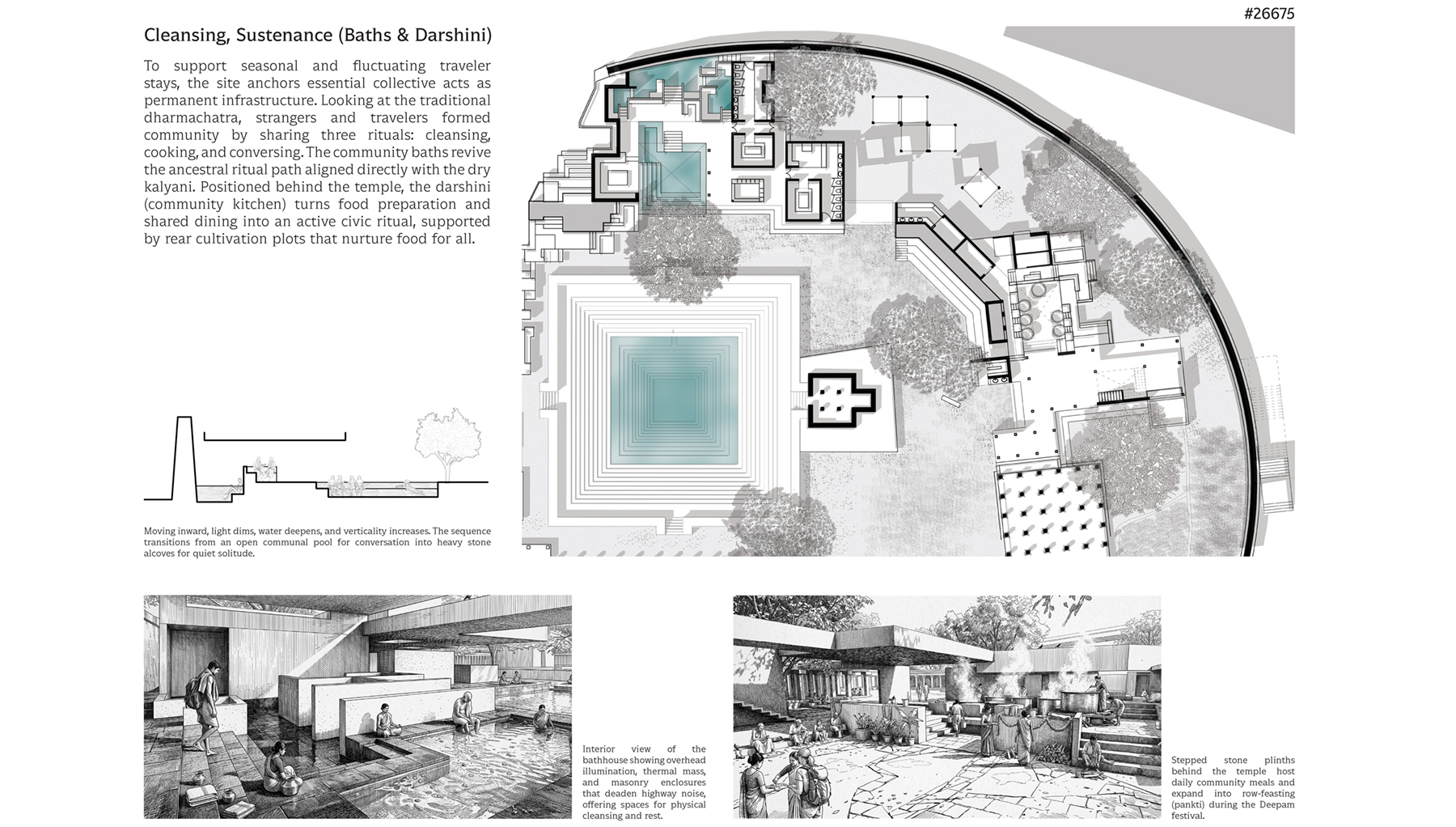
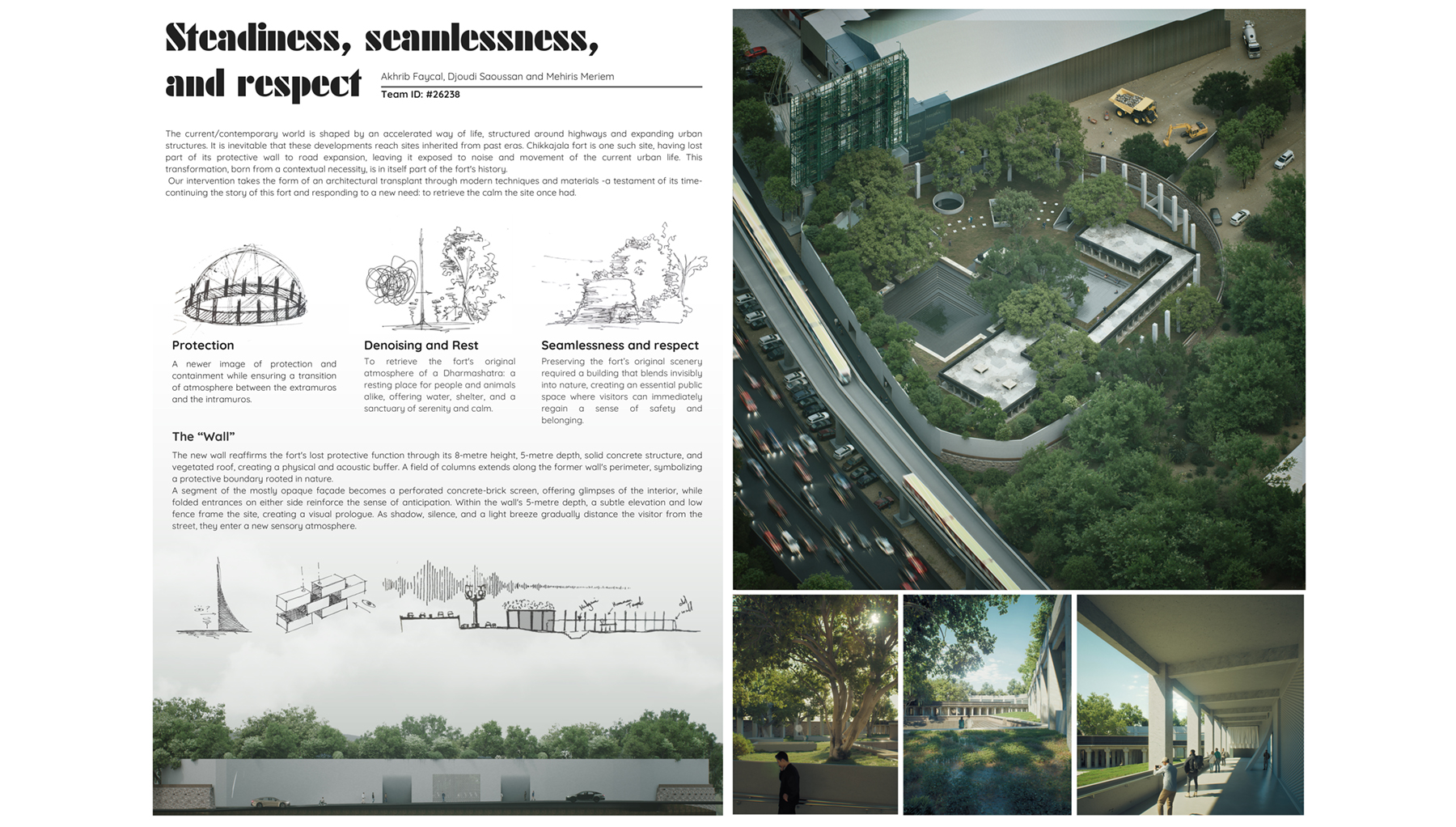
This year, The Drawing Board takes participants to Chikkajala Fort, a historic ruined enclosure near Bengaluru. The site contains remnants of stone walls, pillared pavilions, a temple, and a large water tank, and is believed by many historians to have functioned as a Dharmachatra—a resting place for travellers and animals along an important trade route. Over time, urban development and road widening have eroded portions of the original enclosure, exposing the site to the pressures of the expanding city. The brief begins with a simple yet powerful question: What did the missing wall once protect?
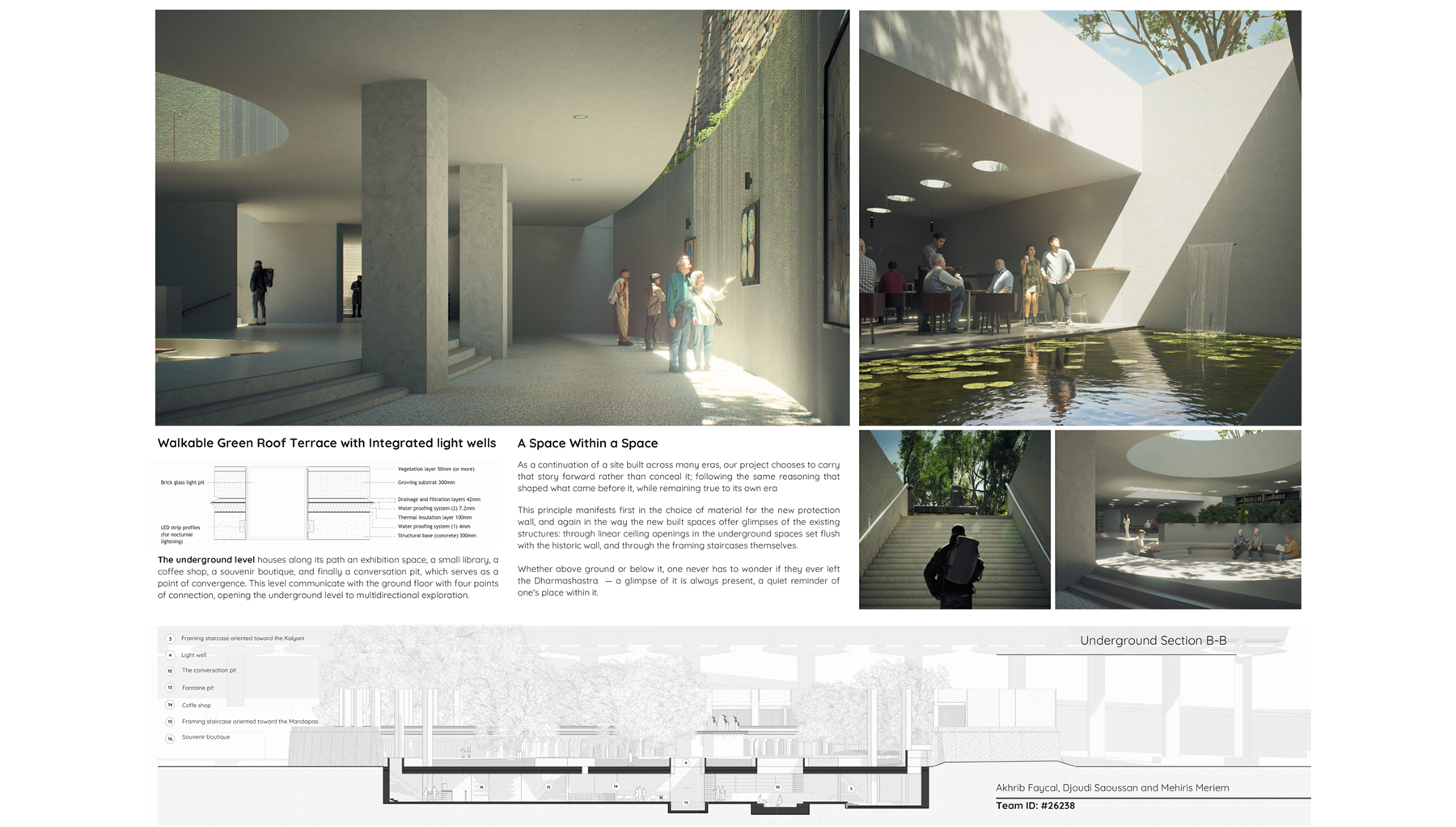
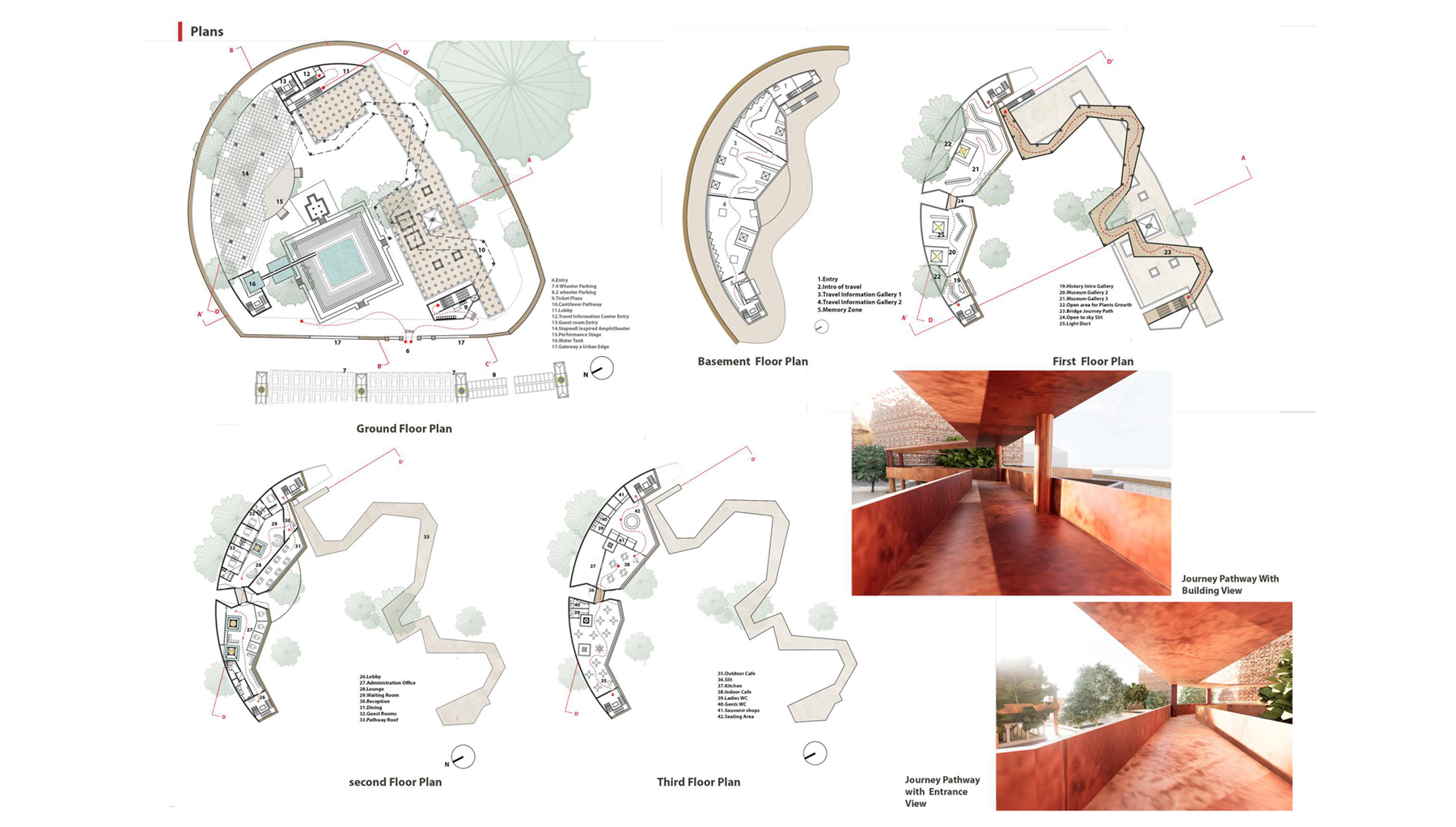
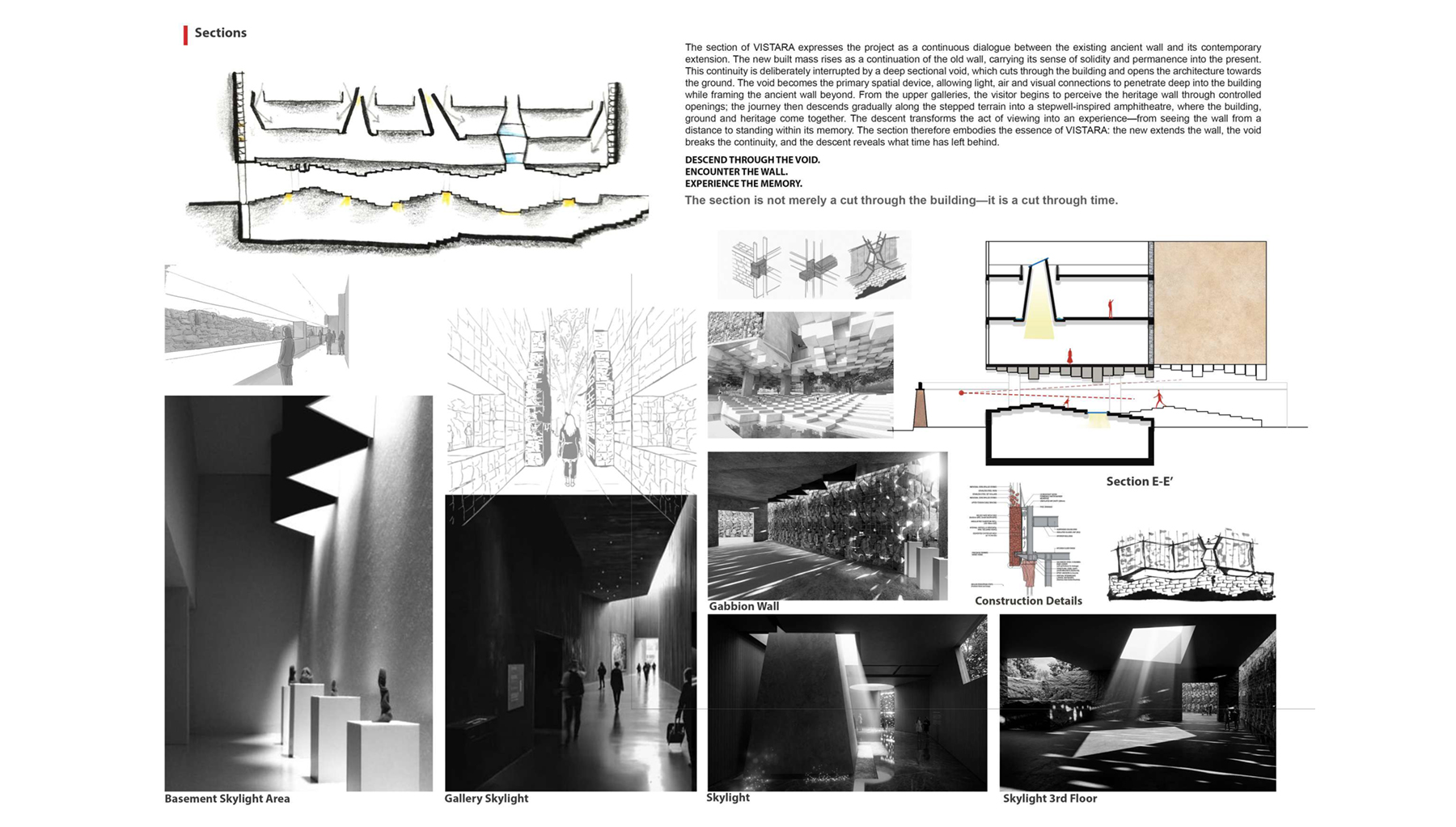
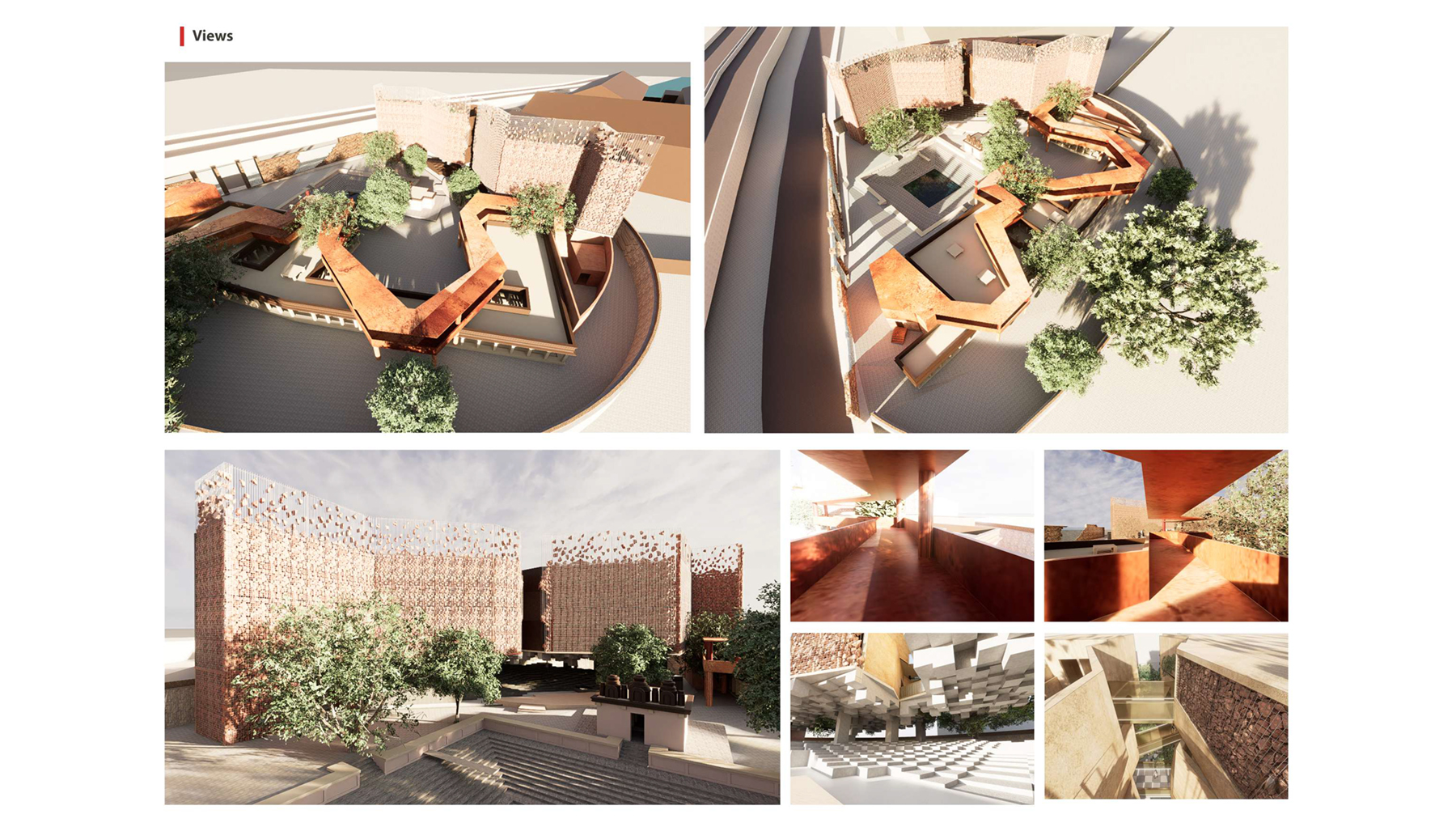
Participants are invited to reimagine the site through a contemporary architectural intervention centred around an enclosure. The proposal must accommodate a Traveller Information Centre for Karnataka, a Cultural Hub, and an Urban Edge that engages with the city beyond. The challenge is not simply to design a wall, but to explore the relationship between past and present, movement and stillness, memory and development. Through architecture and landscape, in the approximate built area of 25,000 sq.ft., participants are encouraged to create a meaningful threshold between the fast-paced city outside and the enduring spirit of the place within.



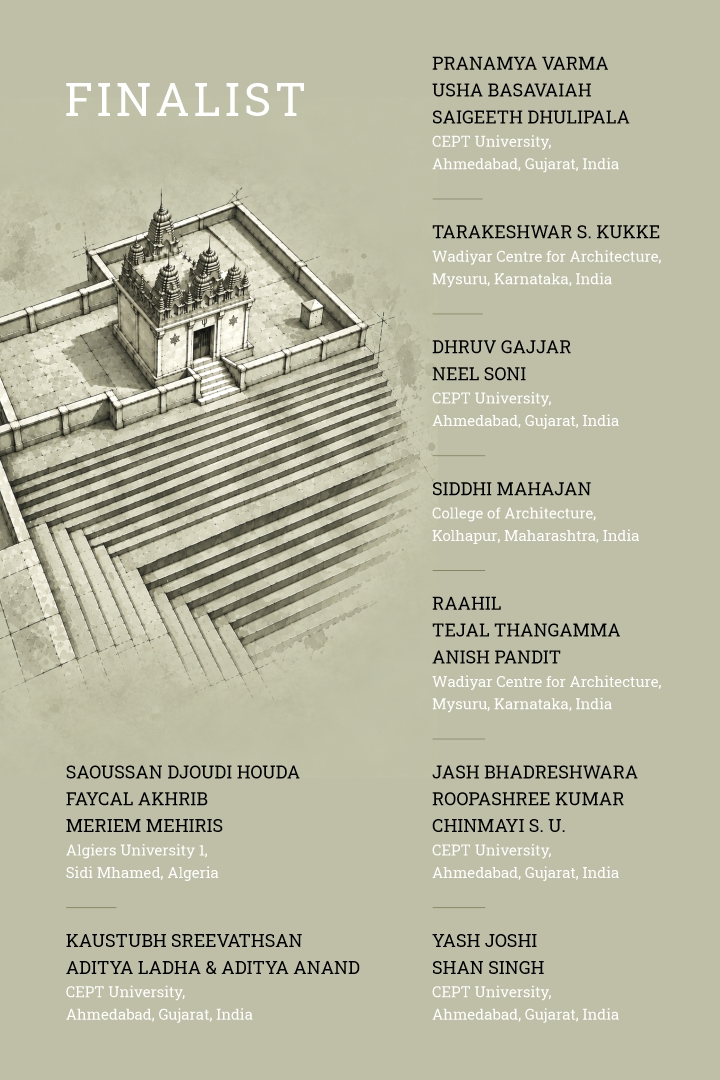
Finalist + Viewer’s Choice
Finalists
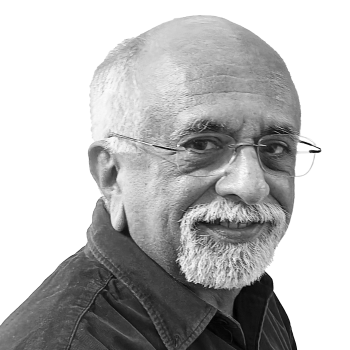
Ar. Prem Chandavarkar
Bengaluru, India
Prem Chandavarkar is the Managing Partner of CnT Architects, an award-winning and widely published architectural practice based in Bengaluru, with a legacy that traces back to the city’s first architectural firm. He received his B.Arch. from the School of Planning & Architecture, New Delhi in 1978, followed by a research-based M.Arch. from the University of Oregon , USA in 1982. He is a former Executive Director of the Srishti Manipal Institute of Art, Design & Technology, Bengaluru, and has been an academic advisor and guest faculty at architecture institutions in India and internationally. He is also a member of the Advisory Council of the Architecture, Culture & Spirituality Forum, USA. Often introducing himself as “an architect easily distracted by other subjects,” Prem writes, lectures and blogs across architecture, urbanism, philosophy, politics, technology, education, environment, art, spirituality and cultural studies.
Prof. Ar. Channa Daswatte
Colombo, Sri Lanka
Channa Daswatte is a prominent Sri Lankan architect, designer, educator and writer known for an architectural approach deeply responsive to site, climate and culture. He graduated from the University of Moratuwa in 1987, subsequently earning a postgraduate diploma from University College London and a Master’s in Advanced Architectural Studies from the University of London. Early in his career, he worked with Geoffrey Bawa’s practice. In 1999, he co-founded MICD Associates with Murad Ismail. His academic contributions include serving as a lecturer at the Colombo School of Architecture from 1992 to 2001 and as a senior lecturer at the University of Moratuwa from 2002 to 2005. Channa co-authored Sri Lanka Style with Dominic Sansoni. He is a Trustee of the Geoffrey Bawa Trust and Lunuganga Trust, and serves as Chair of both organisations. He is also a co-founder of the Museum of Modern and Contemporary Art Sri Lanka. Known for his understanding of tropical modernism, his work explores architecture that responds meaningfully to landscape, climate, culture and context across hospitality, residential, commercial and educational projects.
Ar. Philippe Fouché
Cape Town, South Africa
Philippe Fouché is a Principal at SAOTA, leading residential and hospitality projects across Africa and beyond. His work focuses on architecture shaped by landscape, climate and cultural context, translating environmental intelligence into expressive yet restrained architectural forms. His approach balances craft, sustainability and contemporary living while responding to diverse geographies and complex international urban conditions. Through his work across residential and hospitality projects, Philippe brings a perspective grounded in contextual thinking, environmental responsiveness and contemporary architectural expression.